How to Make Friends as an Expat in Singapore (Without Losing Your Mind)
Singapore has everything except an easy way to build a social life from scratch. Here's how to crack the code.
The Loneliest First-World City
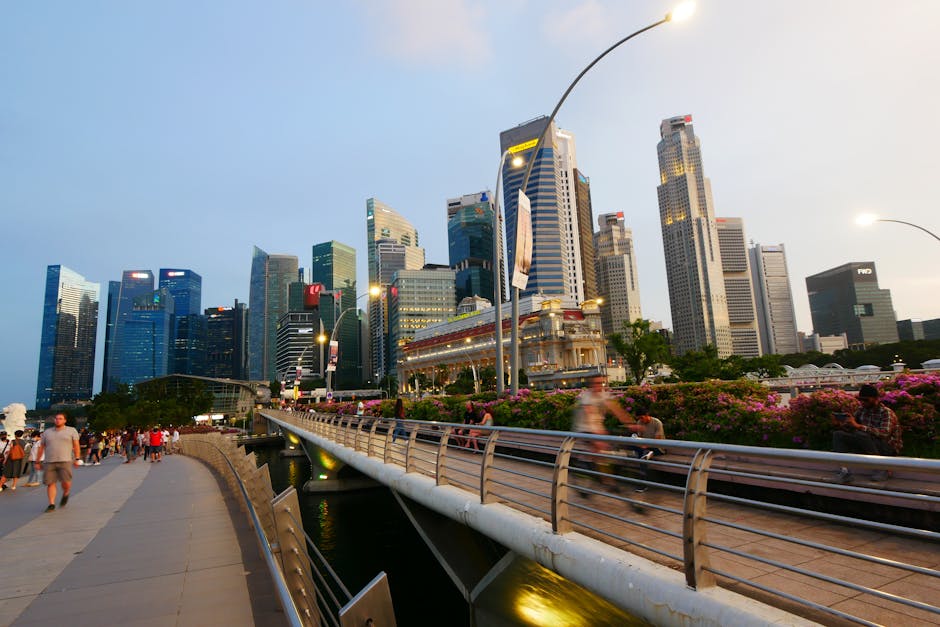
Six weeks into my Singapore life, I had a beautiful HDB flat in Tiong Bahru, a job that paid well enough to eat at hawker centers without checking my bank balance, and precisely zero friends. Not acquaintances — I had plenty of those, people who smiled at the office coffee machine and said "we should hang out sometime" in a tone that clearly meant "we will never hang out." I mean actual friends. People who'd answer the phone at 11 PM on a Tuesday because you're having a bad day. Singapore, for all its efficiency and livability, is spectacularly bad at producing those for new arrivals, and understanding why is the first step toward fixing it.
The problem isn't that Singaporeans are unfriendly — they're generally warm, helpful, and generous once you're inside their circle. The problem is that most Singaporeans built their social circles in National Service, polytechnic, or university and have limited bandwidth for new entrants. Meanwhile, the expat population turns over rapidly — your new best friend from the coworking space might announce they're moving to Lisbon next month because their company restructured. The combination creates a social environment where connections form easily but deeply rooted friendships require deliberate effort that goes against the natural flow of expat transience.
Where Singaporean Social Life Actually Happens
If you're waiting for social life to come to you through work happy hours and chance encounters at the grocery store, you'll wait forever. Singapore socializing is structured and activity-based. People join things — running clubs, hiking groups, board game meetups, cooking classes, volunteer organizations, religious communities. The activity provides the scaffolding for relationships that might otherwise never form, because Singaporean culture doesn't really do the "strike up a conversation with a stranger at a bar" thing that Americans rely on.
Here are the specific organizations and activities that consistently produce real friendships for expats, based on three years of personal experience and conversations with dozens of long-term Singapore residents.
Sports and Fitness Communities
Hash House Harriers — the self-described "drinking club with a running problem" — has been operating in Singapore for decades and remains one of the most reliable ways to meet both expats and locals in a relaxed setting. Runs happen weekly, followed by socializing that involves a lot of beer and terrible jokes. The Tanglin Hash, the original Singapore chapter, runs on Monday evenings and welcomes newcomers enthusiastically. Registration is informal and the pace accommodates all fitness levels.
Singapore's dragon boat racing community is another goldmine. Teams like DBS Dragons, Paddlers' Association, and the Singapore Dragon Boat Association's corporate league actively recruit newcomers. The training sessions are intense — 6 AM paddles on the Kallang Basin — but the post-training breakfast bonding is unbeatable. I've seen more genuine friendships form on dragon boats than in any coworking space or networking event combined. The sport attracts a mix of Singaporeans, long-term expats, and newcomers, which gives you access to social circles you wouldn't find otherwise.
Rock climbing at bouldering gyms like Boulder+, Boruda, and Oyeyo has exploded in popularity. The climbing community is naturally social because you need a spotter, and the culture is one of encouragement and shared problem-solving. Most gyms run beginner courses that double as social events. Monthly memberships run S$120–S$180 ($89–$133).
Interest-Based Groups
Meetup.com is more active in Singapore than in almost any other Asian city. Groups like "Singapore International Friends," "Singapore Hikers," and "Board Games and Brews" have weekly events with 20–50 attendees. The Singapore Photography Walks group is excellent — monthly walks through neighborhoods like Little India, Kampong Glam, and Chinatown with people who actually want to talk and explore. Toastmasters clubs are everywhere and attract an ambitious, social crowd — there are over 100 clubs across the island, many meeting during lunch hours or early evenings.
Volunteering through organizations like Willing Hearts (soup kitchen), Habitat for Humanity Singapore, or Animal Lovers League provides both purpose and community. The volunteer network in Singapore is tight-knit, and people who give up their Saturday mornings to sort food donations tend to be the kind of people worth knowing. Plus, it gives you something meaningful to do on weekends beyond brunch and shopping, which gets old faster than anyone admits.
The Hawker Center Strategy
This one sounds too simple, but it works. Pick a hawker center near your home and visit at least three times a week. Order from the same stalls. Make small talk with the aunties and uncles who run them. Within a month, they'll know your order and start chatting about their families, the weather, and the latest government announcement. Within three months, they'll save your preferred seat during busy hours. These aren't deep friendships, but they create the texture of belonging that prevents expat loneliness from becoming clinical. My Tiong Bahru Market chicken rice uncle — who I still visit — was the first person in Singapore who greeted me by name, and that mattered more than I expected it to.
The Dating App Shortcut (Yes, Seriously)
Bumble BFF — the friendship mode on the dating app — is genuinely effective in Singapore. The user base is predominantly expat women aged 25–40 who are explicitly looking for platonic friendships, which removes the awkwardness of "are we on a date?" ambiguity. For men, the options are thinner, but the regular Bumble and Hinge social scenes in Singapore are active, and plenty of people will explicitly state they're looking for friends in their profiles. Don't dismiss app-based friendship-seeking as desperate — in a transient city, it's pragmatic.
The Two-Year Wall
Almost every long-term Singapore expat I've spoken to describes a pattern: the first year is a rush of novelty and surface-level socializing. The second year is when the loneliness hits, because the novelty wears off and the friends you made in year one have started leaving. The third year — if you make it — is when the real friendships solidify, because the people still around are the ones who've committed to staying. Understanding this timeline helps because it means the loneliness isn't a sign you're doing something wrong. It's a structural feature of expat life in a transient city, and it passes if you keep showing up.
One Thing Most Expats Get Wrong
The biggest mistake I see new expats make is socializing exclusively with other expats from their home country. The French hang out with the French, the Americans with the Americans, the Brits with the Brits. This feels comfortable initially but creates an echo chamber that prevents you from experiencing the actual culture you moved to Singapore to be part of. Make a conscious effort to build friendships with Singaporeans and with expats from countries different from your own. Your worldview will expand in ways that justify the entire relocation, and your social network becomes resilient against the inevitable turnover of any single national group.
The S$18 chicken rice at a touristy Clarke Quay restaurant tastes identical to the S$3.50 version at a hawker center, and the same principle applies to friendships. The expensive, curated expat social events produce the same quality connections as a Tuesday evening dragon boat practice — often worse, because everyone at the fancy event is networking while everyone at the dragon boat practice is just trying not to fall in the water. Choose the dragon boat.