Retirement in Thailand: The MM2H Alternative Nobody Talks About
Thailand gets all the retirement hype, but Malaysia's healthcare system and infrastructure might actually give you a better life after 60.
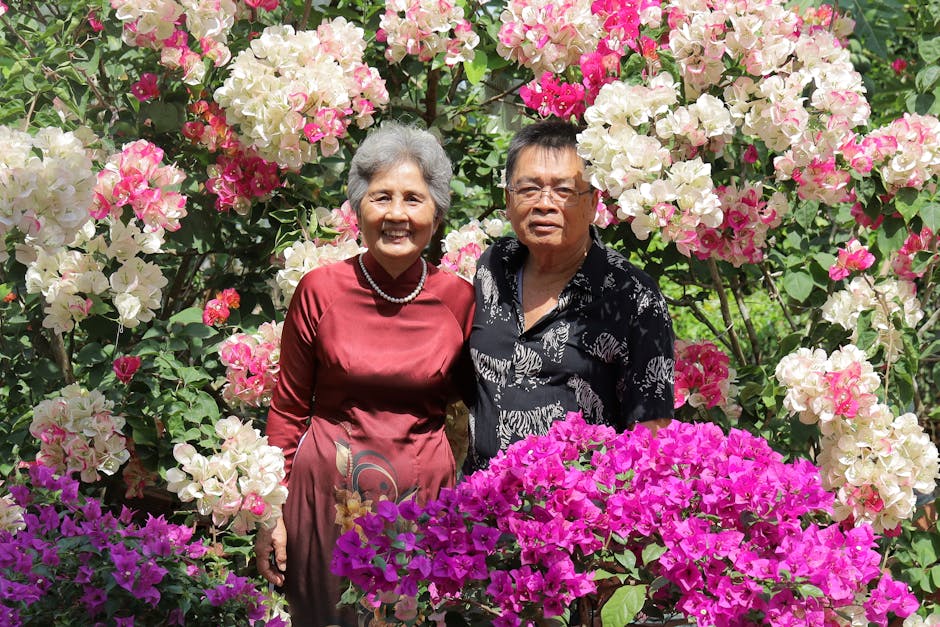
The Retirement Brochure vs. Your Actual Tuesday
Every retirement-in-Asia article shows the same stock photo: a silver-haired couple on a tropical beach, cocktails in hand, watching a sunset. The actual Tuesday of a retiree in Chiang Mai looks more like this: wake up at 6 AM because the roosters next door don't respect your schedule, drive to immigration for a 90-day address report that takes three hours, stop at Rimping Supermarket for imported cheese that costs twice what it does in Wisconsin, have lunch at a restaurant where you're the only person over 30, check your bank balance to verify the 800,000 baht deposit requirement hasn't dipped below the threshold, and spend the evening in a Facebook group arguing about whether Thailand or Malaysia is better for retirement. It's still a good life — often an excellent one — but the gap between the brochure and reality deserves honest examination.
Thailand and Malaysia are the two dominant retirement destinations in Southeast Asia, and they offer fundamentally different experiences. Thailand wins on food, social scene, and that intangible quality of warmth that makes daily interactions pleasant. Malaysia wins on infrastructure, healthcare, English accessibility, and bureaucratic predictability. Your choice depends on what you value most in your daily life, not just your vacation fantasies.
The Visa Comparison
Thailand's retirement visa (Non-Immigrant O-A) requires you to be 50+ with either 65,000 baht ($1,820) monthly income or 800,000 baht ($22,400) sitting in a Thai bank account. Annual renewals involve proving these financial requirements are still met, maintaining health insurance with specific coverage levels, and completing 90-day address reports. The Elite Visa offers an alternative at 600,000 baht ($16,800) for five years with no age or income requirements, but it doesn't include a work permit if you want to do part-time consulting.
Malaysia's My Second Home (MM2H) program underwent dramatic changes in 2021 that shook the expat community. The revised requirements now demand a monthly income of RM40,000 ($8,500) and a fixed deposit of RM1,000,000 ($213,000) for applicants aged 35–49, or RM500,000 ($106,500) for those 50+. These thresholds are substantially higher than the pre-2021 requirements (which were RM10,000 monthly income and RM300,000 deposit) and have priced out many middle-income retirees who previously found Malaysia accessible. Some states offer their own programs with lower thresholds — Sarawak's S-MM2H requires only RM150,000 ($32,000) in savings — but these are limited to residence in the issuing state.
The Philippines' Special Resident Retiree's Visa (SRRV) requires a $20,000 deposit (ages 35–49) or $10,000 (50+) and offers permanent residency with no annual renewal. It's the cheapest path to long-term Asian residency by a wide margin, though the program's on-again-off-again administrative status creates uncertainty that risk-averse retirees find uncomfortable.
Healthcare: Where Malaysia Wins Decisively
Malaysia's healthcare system for retirees is arguably the best in Southeast Asia. Private hospitals like Gleneagles, Pantai, Prince Court, and Sunway Medical Centre deliver care at international standards with English-speaking staff, at costs roughly 40–60% below equivalent care in the US or UK. A comprehensive health screening package costs RM1,500–3,000 ($320–$640). A total knee replacement runs RM30,000–45,000 ($6,400–$9,600) — versus $50,000–$80,000 in the US. Health insurance for retirees through Malaysian insurers costs RM3,000–8,000 ($640–$1,700) annually depending on age and coverage level, and most importantly, coverage remains available at reasonable rates well into your 70s, which is not always true with Thai or international insurers.
Thailand's healthcare is excellent at the top-tier private hospitals in Bangkok, but the system has geographic limitations. If you retire to Chiang Mai, Hua Hin, or the islands, the nearest world-class hospital might be 1–4 hours away. Bangkok Hospital and Bumrungrad have branch hospitals in larger provincial cities, but they don't match the flagship facilities. Thailand also has a medical tourism premium: hospitals in Bangkok have realized that foreigners will pay international prices, and the "Thai price" that made healthcare famously cheap 15 years ago is increasingly available only at mid-tier hospitals and public facilities.
Cost of Living: Thailand Still Cheaper
For basic daily expenses, Thailand remains cheaper than Malaysia. Street food in Thailand averages 40–80 baht ($1.12–$2.24) per dish versus RM6–12 ($1.28–$2.56) in Malaysia. A one-bedroom apartment in Chiang Mai costs 8,000–15,000 baht ($224–$420) versus RM1,500–3,000 ($320–$640) in Penang or RM2,500–5,000 ($533–$1,065) in KL. Domestic beer is cheaper in Thailand; imported goods and alcohol are significantly cheaper in Malaysia due to different tax structures (though Malaysia has restrictions on alcohol availability in some areas).
A comfortable retired couple in Chiang Mai can live well on $2,000–$2,500 per month. The same lifestyle in Penang requires $2,500–$3,500, and in KL, $3,000–$4,500. These figures include housing, food, transportation, healthcare premiums, and moderate entertainment. They don't include the financial requirement deposits for either country's visa program, which tie up capital that could otherwise be generating returns.
Social Life and Community
Thailand's retirement community is larger, more established, and more socially active than Malaysia's. Chiang Mai alone has an estimated 40,000 long-term foreign residents, many of them retirees, with organizations like the Chiang Mai Expats Club, Royal British Legion, American Legion, and dozens of special interest groups. The social infrastructure is deep — golf groups, hiking clubs, bridge tournaments, volunteer organizations, cooking classes. If loneliness in retirement is your primary concern, Thailand's community density provides a built-in solution.
Malaysia's expat retirement community is smaller but arguably more diverse, with significant populations from Japan, Korea, the Middle East, and Europe alongside the typical Anglophone cohort. Penang's retiree community is particularly tight-knit, centered around George Town's UNESCO heritage zone. KL offers more activities and diversity but less of the intimate small-community feeling. The key advantage of retiring in Malaysia over Thailand: English is an official language. Government services, hospital visits, legal matters, and daily interactions can all be conducted in English without difficulty, which becomes increasingly important as you age and your tolerance for language barriers decreases.
The Decision Framework
Choose Thailand if: you prioritize low cost of living, want a large expat community, love Thai food and culture, are comfortable with periodic bureaucratic hassles, and don't mind that English proficiency among locals outside Bangkok is limited. Choose Malaysia if: you prioritize healthcare quality and accessibility, want English-language ease in daily life, have the financial resources to meet MM2H's higher thresholds, and value infrastructure reliability (roads, internet, government services) over raw affordability.
The retirees I know who are happiest in Asia share one trait regardless of which country they chose: they built a daily routine that includes physical activity, social interaction, and a sense of purpose beyond leisure. Retirement in paradise sounds idyllic until you realize that paradise without structure becomes boring within three months. The ones who thrive are volunteering, teaching, learning languages, running small businesses, or pursuing hobbies with the kind of intensity that retirement's freedom makes possible. The country is the setting; the life you build within it is the actual story.