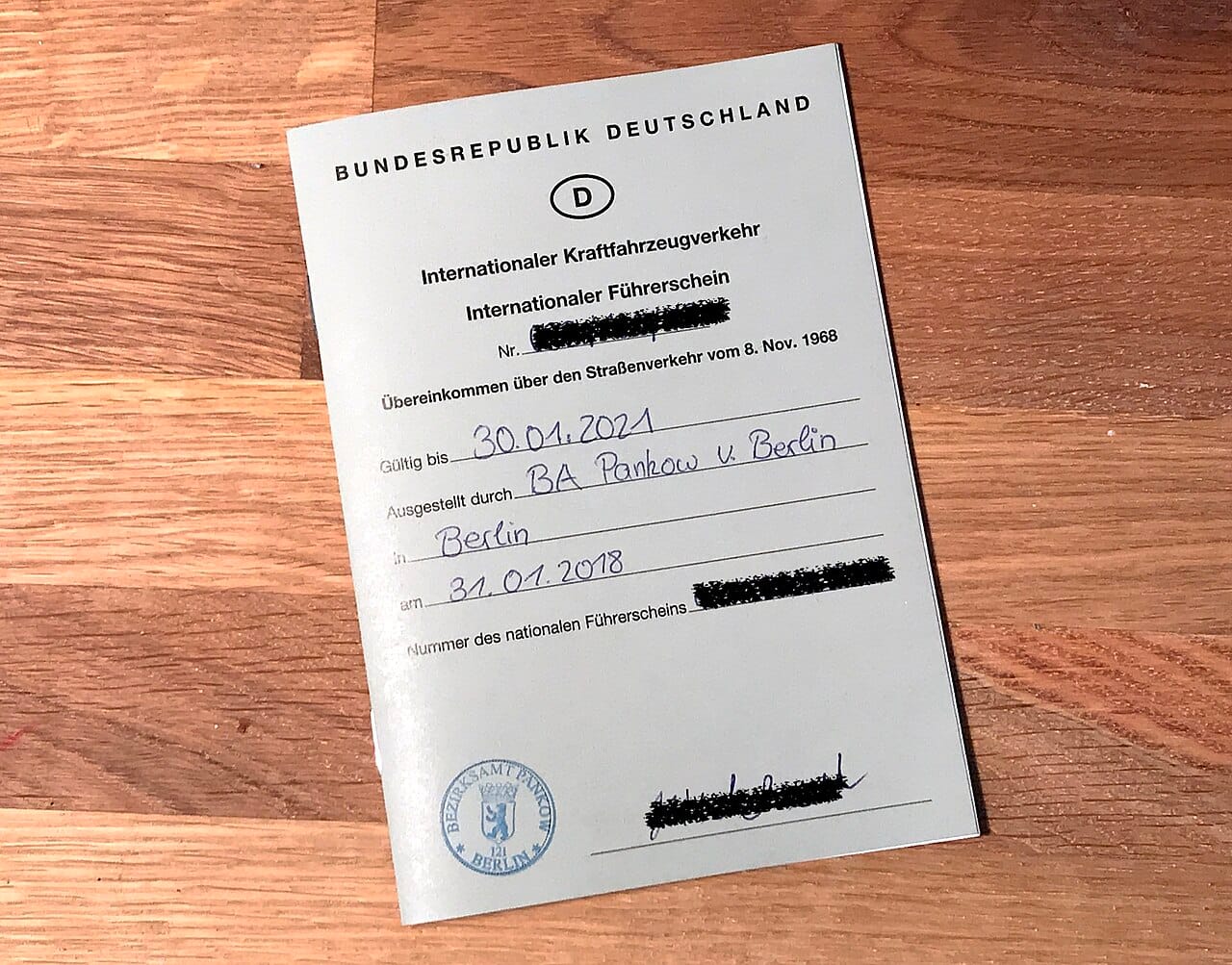
Few administrative tasks separate the prepared expat from the chronically frustrated one quite like exchanging a foreign driving licence in Asia. Three years into a posting, you may still be on an International Driving Permit, dreading the day it expires. Or you may have done the local exchange in week four and forgotten the topic existed. The difference usually comes down to one question almost no one researches before they arrive: does your home country's licence qualify for direct exchange, or are you about to retake the test?
The Three Buckets Every Asian Country Uses
Strip away the country-specific paperwork and Asian licence rules sort into three buckets. Direct exchange, conditional exchange with a written or vision test, and full retest including practical driving. Which bucket you land in depends almost entirely on the bilateral arrangement between your country of issuance and the host country, not on your driving skill or experience.
Bucket One: Direct Exchange
You hand over your home licence, a translation, and a small fee. You walk out with a local licence in 30 to 90 minutes. This is the easiest tier, and the one most expats hope for.
Bucket Two: Conditional Exchange
You exchange after passing a written test in the local language or English, sometimes with a vision and reaction test added. You usually keep your home licence as a separate document.
Bucket Three: Full Local Test
You start from zero. You take a written test, then a course test, then a road test, with all the waiting and rebooking that implies.
Tokyo: One of Asia's Stricter Regimes
Japan operates a list of countries whose licences qualify for menkyo kirikae, the direct conversion process. The list includes most of the European Union, the United Kingdom, Australia, New Zealand, Korea, and Taiwan. It does not include the United States, China, Vietnam, the Philippines, or India. If you arrive in Tokyo on an American licence, you are heading for a full course test at the Samezu or Fuchu licence centre, and most US-licence holders fail the practical the first time.
Documents you will need at the Tokyo licence centre include your passport, residence card, juminhyo, the Japanese translation of your foreign licence issued by JAF, and proof you held the home licence for at least three months while physically present in the issuing country. That last requirement catches many people, since dates of issue on US licences often reflect renewals rather than original issuance.
Seoul: Reciprocity and the Aptitude Test
South Korea maintains its own reciprocity list, broadly similar to Japan's but with several important differences. Most US states are accepted for direct exchange in Korea, although the rules vary by state. The UK, Australia, Germany, France, and Japan are all on the direct list. Holders of Chinese, Vietnamese, and Indonesian licences must take the Korean written test and the practical course test at a designated licence examination office.
The Seoul process runs through Driver's Licence Examination Offices, with Gangnam, Seobu and Dobong being the most expat-friendly. Bring your ARC, passport, original licence, an apostilled translation, and a passport photo. Vision and reaction tests are administered on the spot.
Bangkok: Five-Year and the Document Marathon
Thailand is the most paperwork-intensive of the three. Almost every expat ends up at the Department of Land Transport on Phaholyothin Road. The first licence issued is valid for two years, the renewal for five. You will need a residence certificate from your embassy or your local immigration office, a medical certificate from any clinic, your passport with a non-tourist visa, and your foreign licence with a translation.
Bangkok Test Requirements
- Colour vision and depth perception screening, both administered at the DLT
- Reaction-time test, brake-pedal style
- One-hour video class on Thai road rules
- Computerised written test, available in English
- Practical test, sometimes waived for holders of qualifying foreign licences
Hidden Pitfalls
The single most common failure point across all three cities is the home-country issuance date. If you renewed your US or UK licence within three months of moving, the issuing date on the card may not reflect when you originally qualified, and Tokyo or Seoul will reject the application. Bring a driving abstract or letter from your home licensing authority confirming continuous licensure.
The second pitfall is translation. JAF translations in Japan are inexpensive and authoritative. Korean apostilled translations cost more and take longer. Thai translations done by your embassy are accepted, while commercial translations sometimes are not. Always confirm with the relevant office before paying for one.
The Practical Choice
If you are coming for two years or less, an International Driving Permit may be sufficient, though it is not valid in Japan or Korea for stays beyond one year. If you are staying longer, plan the licence exchange in your first 90 days, while paperwork is fresh and your patience for embassy visits is at its peak. The expats who delay are the ones who eventually find themselves in the full-retest bucket.