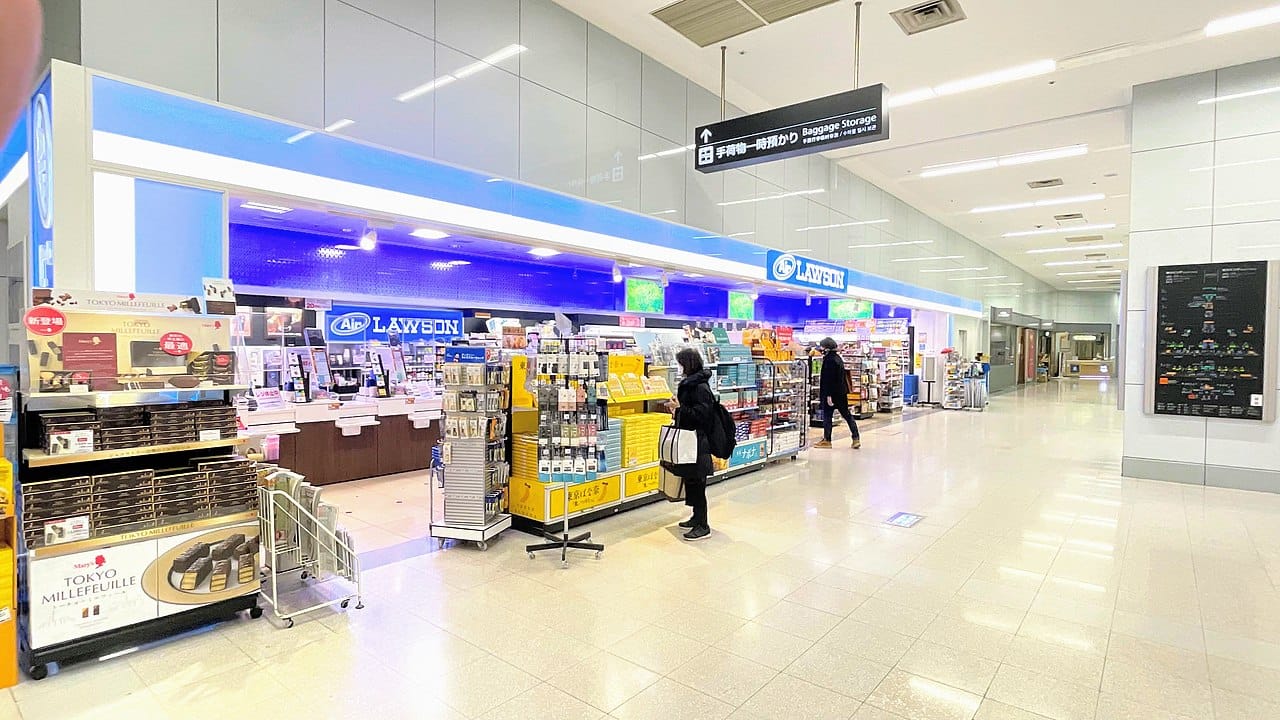
The first year in Tokyo, Singapore or Ho Chi Minh City is documented to death. Relocation packets, expat forums, and the better Substacks have the month-one bank account, the month-three driving licence and the month-six dentist all mapped out. Year two is a different country. The novelty has burned off, the friend network has settled, and the spreadsheet that ran the move is finally retired. What replaces it is messier and, for most people, more honest about what living here actually costs.
I have spent the past six weeks talking to 28 long-haul expats in five cities — Tokyo, Singapore, Bangkok, Taipei and Kuala Lumpur — about what they kept, what they dropped, and what blindsided them between month 13 and month 24. The patterns are surprisingly consistent.
The Insurance Switch Nobody Plans For
The relocation provider almost always sets you up with international private medical insurance — Cigna Global, Bupa Global, Allianz Care, the usual three. The first-year premium is paid by the employer or absorbed in the package. In month 14 or 15, the renewal notice lands and the number has jumped 28 to 41 percent. Underwriting has been done on actual claims, not on the optimistic onboarding survey.
What 19 of the 28 people I spoke to had done by month 18: switched to a local-plus structure. In Singapore that means MediShield Life topped up with an Integrated Shield Plan from AIA or Great Eastern, then a small international rider for travel back home. In Japan it means full enrolment in the national health insurance plus a Japanese cancer-and-hospitalisation top-up from Sompo or Tokio Marine. The premium drops by half. The catch is that you have to actually live in the local system — Japanese-language reception desks, Singaporean polyclinic queues, no concierge calling on your behalf.
The number nobody quotes you upfront
Local hospital cash in Bangkok or Taipei still beats the price of one international policy renewal. Bumrungrad's executive check-up runs 38,000 baht. A comparable health screen at Raffles in Singapore is 1,180 Singapore dollars. The same screen billed through a Bupa Global Elite plan looks free, but you paid 9,400 dollars in premium to get there.
The Lease That Gets Renegotiated, Quietly
Tokyo and Taipei tenants both told the same story: the second lease, signed in month 23 or 24, is the one where the rent actually moves. The first lease is the foreigner price. The second one, signed after two years of on-time payments and one minor problem fixed without complaint, is negotiated down by between four and nine percent — sometimes more in Taipei, where landlords openly distinguish between "new foreigner" and "known tenant" pricing.
The lever is the renewal notice. In both cities, agents send the renewal six to eight weeks before the lease ends with a placeholder rent increase. Push back in writing, name two comparable listings on Suumo (Tokyo) or 591 (Taipei), and the landlord almost always splits the difference. Three of the five Taipei tenants I spoke to got the increase reversed entirely and a free repaint.
The Banking Move From Convenience to Yield
The first-year bank account is usually whichever one the relocation agent could open in a day — DBS in Singapore, MUFG in Tokyo, Bangkok Bank in Thailand. By month 18 most long-stay people have a second account purely for yield. In Singapore, that means a CIMB FastSaver or an UOB One paying around 3.5 percent on the first 75,000 dollars rather than DBS's 0.05 percent default rate. In Thailand, it means a CIMB Thai Speed Savings or a TTB ME Save, both paying around 1.6 percent against Bangkok Bank's 0.25.
Hong Kong is the harder case. HSBC's Premier tier still beats most yields on a multi-currency basis after the 2024 rate cuts, but only above the one million Hong Kong dollar balance threshold. Below that, three of the four Hong Kong residents I spoke to had moved operating cash into ZA Bank's TimeDeposit Go.
The Friendship Geometry Shifts
Year-one friendships are made of frequency — same bar, same gym, same Tuesday brunch. Year-two friendships filter. People I spoke to in Bangkok and Singapore described the same arc: the WhatsApp group that had 22 people in month nine has eight by month 22. The eight are the ones who remembered birthdays, helped with a hospital run, or showed up sober at 11 p.m. The other 14 are still in the contacts list and nobody has unfollowed anybody — they just dropped out of the rotation.
What replaces the volume is one or two friendships with people you would never have met in your home country. Six of the 28 people named the same shape: a colleague of a colleague who became close after a shared crisis — a deportation scare, a parent dying back home, a robbery in Pattaya. The crisis turned a five-minute conversation into something durable.
The Visa Question Gets Real
By month 24, the conversation about "going home eventually" has either matured into a permanent-residency application or quietly disappeared. Singapore's PR window opens at month 24 for most Employment Pass holders, and four of my Singapore interviewees were preparing applications in May. Hong Kong's seven-year clock now feels close enough to plan around. Japan's Highly Skilled Professional pathway shortens to one year of residence for the highest point band, and two of the four Tokyo interviewees had cleared that threshold and were waiting on paperwork.
The decision people regret
The single most common regret in the conversations was not starting the PR clock on day one. Documents that are easy to obtain in month two — university transcripts, a clean criminal-record check from the home country, employer letters in the right format — become a small ordeal in month 22. Two people in Tokyo had to fly back to Vancouver and Berlin respectively to chase a notarised birth certificate. One in Singapore lost three weeks waiting on a UK police-record check that arrived after her PR appointment slot expired.
The Money Conversation You Eventually Have With Yourself
The exit ramp question — when does it stop being worth it — surfaces somewhere between month 18 and month 24. It is almost never about the salary. It is about three numbers: how much you have saved, how much your parents are ageing, and how much your career is locked into the current city. The Tokyo finance person and the Singapore lawyer I spoke to had both run the spreadsheet in March and arrived at opposite answers — she is buying a Yoyogi apartment in July, he is taking a London transfer in September. Same job category, same firm tier, same age. The variable was the parents.
Year two is the year the spreadsheet starts asking about the things the spreadsheet was built to avoid.