Reverse Culture Shock: What Coming Home After Asia Actually Feels Like
Everyone prepares you for culture shock when you move to Asia. Nobody prepares you for the culture shock of coming home.
The Airport Moment
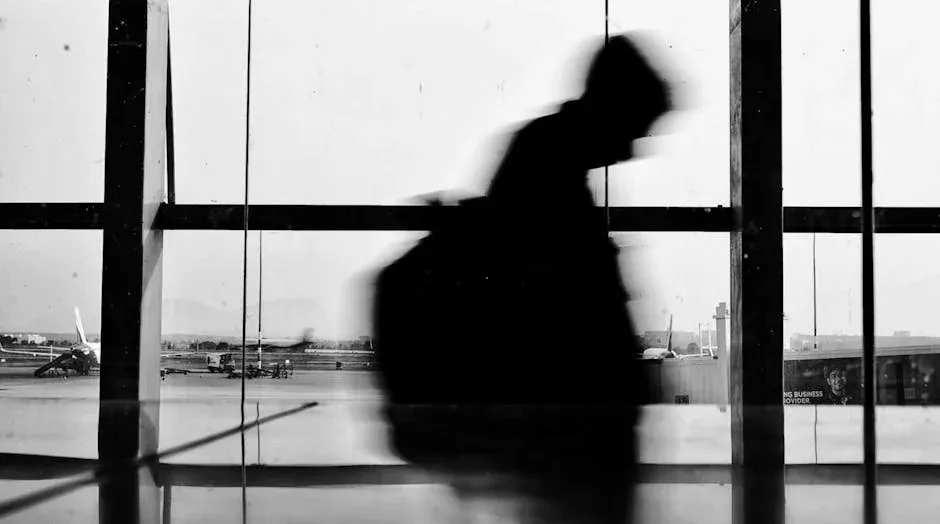
I landed at JFK after three years in Tokyo, and the first thing I noticed was how loud everyone was. Not rudely loud — just American loud. Conversations at volumes that Japanese people would find unthinkable. Laughter that carried across the terminal. A man on his phone practically shouting about a Mets game while everyone around him seemed perfectly comfortable with it. I'd spent three years calibrating my volume to Japanese norms — speaking softly on trains, whispering in restaurants, never talking on the phone in public spaces — and suddenly I was back in a culture where vocal projection was the default setting. It should have felt normal. It felt like someone turned the volume knob to eleven and broke it off.
That airport moment was the first of approximately four hundred small dislocations that defined my first six months back in America. Reverse culture shock is documented in expat psychology literature but woefully underdiscussed among actual expats, partly because it feels ungrateful ("you lived in Asia for three years and you're complaining about coming HOME?") and partly because it's harder to explain than regular culture shock. Moving to a new country, everyone expects you to struggle. Moving back to your own country, everyone — including you — expects it to feel like relief. When it doesn't, the gap between expectation and experience creates a loneliness that's harder to talk about than the loneliness of being abroad.
What Changes Without You Noticing
You changed while you were in Asia. Your home didn't change in ways you notice — the streets look the same, the grocery store is in the same place, your parents' house still smells like your parents' house. But the people changed in the ways people always change: your friends got promoted, got married, had kids, developed new interests, and formed new friendships with people you've never met. Your absence from these developments means your mental model of home is three years out of date. You expect to slot back into relationships and social dynamics that have continued evolving without you, and the recalibration is jarring.
The physical environment feels simultaneously familiar and wrong. Portion sizes at restaurants seem absurdly large after years of Japanese or Thai serving sizes. Grocery stores have too many options — standing in front of 47 varieties of peanut butter at a Walmart after years of choosing between two brands at a Tokyo konbini creates a genuine decision-fatigue meltdown. Sidewalks feel empty. Public transit feels unreliable (if it exists at all). People don't remove their shoes at the door. Nobody bows. And the cultural norms that were invisible to you before you left — the casual directness of American conversation, the expectation of small talk with strangers, the absence of formal respect language — now stand out as distinct choices rather than defaults.
The Grief Nobody Validates
Reverse culture shock includes a grief component that surprised me with its intensity. You're grieving the life you left in Asia — the daily adventure of navigating a foreign culture, the friendships built under the pressure of shared foreignness, the version of yourself that existed in that context. The person you were in Tokyo — more observant, more adaptable, more attuned to social subtleties — doesn't translate back to American life, where those skills aren't valued or even noticed. You feel simultaneously more worldly and less competent, which is a disorienting combination.
Friends and family don't want to hear about Asia as much as you want to talk about it. They're politely interested for about fifteen minutes, and then their eyes glaze over because your stories require context they don't have. The gap between your experience and their understanding is vast, and trying to bridge it in casual conversation feels like describing a dream — technically possible but never quite capturing the reality. This creates isolation within your closest relationships, which is the cruelest irony of reverse culture shock: you're finally surrounded by the people you missed, and you feel more alone than you did in a country where you couldn't read the street signs.
The Comparison Trap
Everything gets compared. The trains are slower than Tokyo's. The food is blander than Bangkok's. The customer service is worse than Singapore's. The sense of community is weaker than Seoul's. This relentless comparison is exhausting for everyone — your friends who hear it, your family who endures it, and you who can't stop doing it. It's also unfair, because you're comparing the best of several Asian cities against the mundane reality of one place, which isn't a fair contest.
The comparison trap is the single biggest obstacle to successful repatriation.
Breaking it requires conscious effort. Instead of "the food here isn't as good as Thailand," try "I miss Thai food and I'm going to find the best Thai restaurant in this city." Instead of "nobody here is as polite as in Japan," try "Japanese politeness was one of my favorite things, and I can bring some of that energy to my own interactions." The shift from passive comparison to active incorporation is the difference between someone who's stuck in nostalgia and someone who's integrating their international experience into a richer home life.
What Actually Helps
Give yourself a six-month adjustment period and don't make major life decisions during it. The impulse to book a flight back to Asia is strongest during months two through four — this is when the novelty of being home has worn off but the new routines haven't solidified. Wait. The readjustment curve is real and it passes, just like the initial culture shock curve when you first moved abroad.
Find your fellow returnees. People who've lived abroad and come back understand what you're going through in a way that people who've never left simply can't. International alumni groups, returned Peace Corps volunteers, corporate relocation networks, and expat-turned-repat communities exist in most major cities. The shared experience of "I feel like a foreigner in my own country" is the foundation for friendships that help bridge the gap.
Maintain your Asian connections deliberately. Keep the WhatsApp groups active, schedule video calls with Tokyo friends, cook Thai food at home on weekends, practice your Japanese or Korean so it doesn't atrophy. These activities aren't about living in the past — they're about honoring the identity you built abroad and integrating it into your present life. You are not the same person who left three years ago. Don't pretend to be.
And be patient with the people who love you. They can't understand what you experienced any more than you could have understood it before you went. Their inability to grasp your reverse culture shock isn't a failure of empathy; it's a limitation of shared experience. Meet them where they are, share what you can, and trust that the disorientation is temporary even when it feels permanent. Home will feel like home again. It'll just be a different home — one that includes the person Asia helped you become, rather than the person who left.