Vegetarian in Asia: How to Eat Well Without Speaking the Language
That 'vegetable' stir-fry in Thailand? It's cooked in oyster sauce. The 'tofu' dish in Japan? It's simmered in dashi made from fish flakes. Being vegetarian in Asia requires strategy.
The Hidden Meat Problem
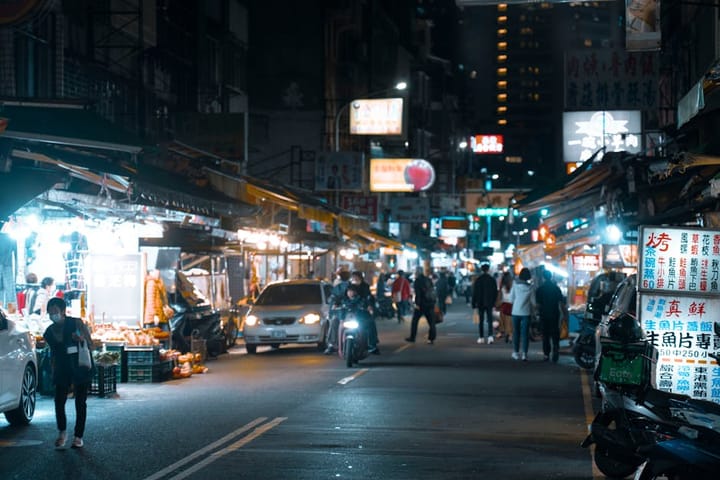
My first month as a vegetarian in Asia ended my naive assumption that ordering "vegetables" at a restaurant meant getting a meat-free meal. In Thailand, virtually every stir-fry uses oyster sauce or fish sauce as a base flavor — it's so fundamental that Thai cooks don't consider it "adding meat" any more than an American cook considers using butter "adding dairy." In Japan, the dashi broth that forms the foundation of miso soup, noodle dishes, and most simmered foods is made from bonito (dried fish) flakes. In Korea, kimchi — the side dish served with literally every meal — is traditionally made with fermented shrimp paste or fish sauce. And in China, "vegetable" dishes in many regions are cooked with lard because it's cheaper than oil and adds flavor. The point isn't that eating vegetarian in Asia is impossible. It's that the meat is invisible, baked into sauces, stocks, and cooking methods rather than sitting identifiably on your plate, and you need specific strategies to detect and avoid it.
Country-by-Country Survival Guide
Thailand: Buddhist Vegetarian to the Rescue
Thailand has a robust tradition of Buddhist vegetarian food called jay (เจ) or mang sa wirat (มังสวิรัติ). Jay food avoids all meat, seafood, and pungent vegetables (garlic, onion, chives) — it's essentially vegan. Look for restaurants displaying a red-and-yellow sign with the Thai numeral เจ or the Chinese character 齋 (chai). These establishments are scattered throughout Bangkok and major cities, particularly around temples and in Chinatown. The food is excellent and incredibly cheap — a full plate of jay fried rice with tofu and vegetables costs 40–60 baht ($1.10–$1.70).
Outside of dedicated jay restaurants, your essential phrase is: "mai sai nam pla, mai sai nam man hoi" (ไม่ใส่น้ำปลา ไม่ใส่น้ำมันหอย) — "no fish sauce, no oyster sauce." Even then, some dishes are fundamentally impossible to make without these sauces (pad Thai without fish sauce is a philosophical contradiction), so ask "mee ahan jay mai?" (มีอาหารเจไหม) — "do you have jay food?" which signals you need the fully meat-free version. Thai 7-Elevens have limited vegetarian options, but the plain steamed rice and certain bread products are safe. The annual Vegetarian Festival in October (mostly observed in Phuket and Bangkok's Chinatown) turns entire neighborhoods into vegetarian food paradises for nine days — time your visit if you can.
Japan: Challenging but Improving
Japan is historically the hardest major Asian country for vegetarians because animal products are woven into the cuisine at a foundational level. Dashi (fish stock) is in everything savory. Miso soup almost always contains dashi. Ramen broth is pork-based (tonkotsu) or fish-based. Even seemingly innocent dishes like edamame might be boiled in dashi at traditional restaurants. The concept of vegetarianism is understood but unusual in Japan, and servers may not know whether a dish contains hidden animal products because the chef uses dashi by default without thinking of it as "adding meat."
Your strategy: use the app HappyCow to find dedicated vegetarian and vegan restaurants, which have multiplied significantly in Tokyo, Osaka, and Kyoto. Shojin ryori (Buddhist temple cuisine) is entirely plant-based and represents some of the most refined vegan cooking in the world — restaurants like Daigo in Tokyo and Shigetsu in Kyoto offer multicourse shojin meals for ¥5,000–¥15,000 ($33–$100). For everyday eating, seek out Indian restaurants (every Japanese city has them, and they understand vegetarian requests perfectly), pasta restaurants where you can order marinara or vegetable-based sauces, and the growing number of cafes and restaurants that explicitly label vegan/vegetarian options on their menus.
Carry a vegetarian card written in Japanese. Print or show this on your phone: "私はベジタリアンです。肉、魚、鶏肉、魚のだしは食べられません。" (I am vegetarian. I cannot eat meat, fish, chicken, or fish-based dashi.) This card alone prevents 80% of miscommunication at restaurants and gives the chef a clear framework for what to prepare.
South Korea: Better Than You'd Expect
Korean cuisine has a strong tradition of vegetable side dishes (banchan) that makes it more vegetarian-accessible than Japan. Temple food (sachal eumsik) is entirely plant-based, and dedicated temple food restaurants like Balwoo Gongyang in Seoul have Michelin stars. Bibimbap (mixed rice with vegetables) is easy to order without meat — just say "gogi ppae juseyo" (고기 빼 주세요, "please remove the meat"). Korean BBQ restaurants are obviously meat-centric, but they always serve extensive vegetable banchan, and some have vegetable BBQ options with mushrooms, tofu, and squash.
The hidden meat issue in Korea is kimchi (fermented with seafood) and the gochujang (red pepper paste) used in many stews, which sometimes contains anchovy powder. Fully vegetarian kimchi exists — look for it at temples, health food stores, and on labels marked 비건 (vegan). Seoul's Insadong neighborhood has multiple vegetarian restaurants, and the Itaewon area has international options that cater to dietary restrictions. Budget VND — sorry, ₩6,000–12,000 ($4.50–$9) per meal at vegetarian-friendly restaurants.
Vietnam: The Easiest Southeast Asian Country
Vietnam has the strongest vegetarian tradition in Southeast Asia, thanks to Mahayana Buddhist influence. The term "chay" (chay) means vegetarian, and dedicated com chay (vegetarian rice) restaurants exist in every Vietnamese city. These aren't niche health food spots — they're popular with Vietnamese Buddhists who eat vegetarian on the 1st and 15th of each lunar month, students looking for cheap meals, and anyone who enjoys the food. A full com chay lunch with rice, two mock-meat dishes, soup, and a drink costs VND25,000–40,000 ($1–$1.60). The mock meat in Vietnamese vegetarian cuisine is exceptionally good — made from tofu, seitan, and mushrooms, it's seasoned and textured to mimic specific meats convincingly.
Ho Chi Minh City has hundreds of chay restaurants; Hue, with its Buddhist heritage, might have the best vegetarian food in all of Asia. Pho chay (vegetarian pho) is widely available and uses a mushroom-based broth that's remarkably satisfying. Your essential Vietnamese phrase: "Tôi ăn chay" (I eat vegetarian). This is universally understood and respected.
India-Influenced Countries: Singapore and Malaysia
Singapore and Malaysia benefit from large Indian populations that have embedded vegetarian options into the food landscape. Every hawker center in Singapore has at least one Indian vegetarian stall serving thali meals for S$4–6 ($3–$4.50). Little India in both Singapore and KL is a vegetarian paradise. Malay and Chinese cuisines in these countries are meat-heavy, but the Indian option is always available. Both countries also have growing numbers of modern vegetarian and vegan restaurants — Whole Earth, Afterglow, and Joie in Singapore; Simple Life and Nature Vegetarian in KL.
Universal Strategies
Prepare a dietary card in each country's language explaining what you can and cannot eat. Include specific hidden ingredients (fish sauce, dashi, shrimp paste, lard) — saying "vegetarian" alone isn't enough because definitions vary. Carry it on your phone and show it before ordering. Download the HappyCow app, which has the most comprehensive global database of vegetarian and vegan restaurants, with user reviews and verification. In any Asian city with over 500,000 people, HappyCow will have at least a dozen listings.
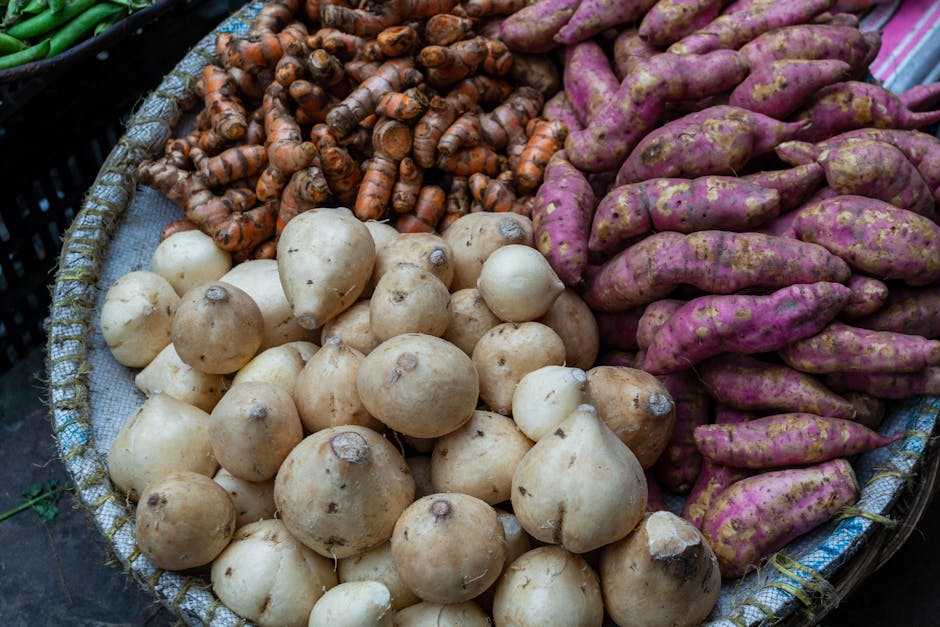
Markets are your friend. In every Asian country, fresh produce markets offer vegetables, fruits, tofu, and nuts at prices that make Western grocery stores look criminal. A kilo of tofu in Vietnam costs VND15,000 ($0.60). A kilo of fresh vegetables in Thailand costs 20–40 baht ($0.56–$1.12). Cooking at home using market ingredients is both the cheapest and the most reliable way to maintain a strict vegetarian diet in Asia. It also teaches you about local vegetables you've never encountered — morning glory, chayote, bitter melon, lotus root, taro — that expand your cooking repertoire permanently.
Accept that perfection is impossible. Trace amounts of fish sauce in a Thai salad dressing or shrimp paste in a Korean condiment are going to happen occasionally despite your best efforts. Draw your line where it makes sense for you, communicate it clearly, and don't let the pursuit of absolute purity prevent you from experiencing some of the most flavorful plant-based food traditions on earth.