Monsoon Season Survival: How to Live Through Asia's Rainy Months
The first time your apartment floods because the storm drains can't handle the volume, you'll realize that 'rainy season' was a dramatic understatement.
What They Mean by "Rainy Season"
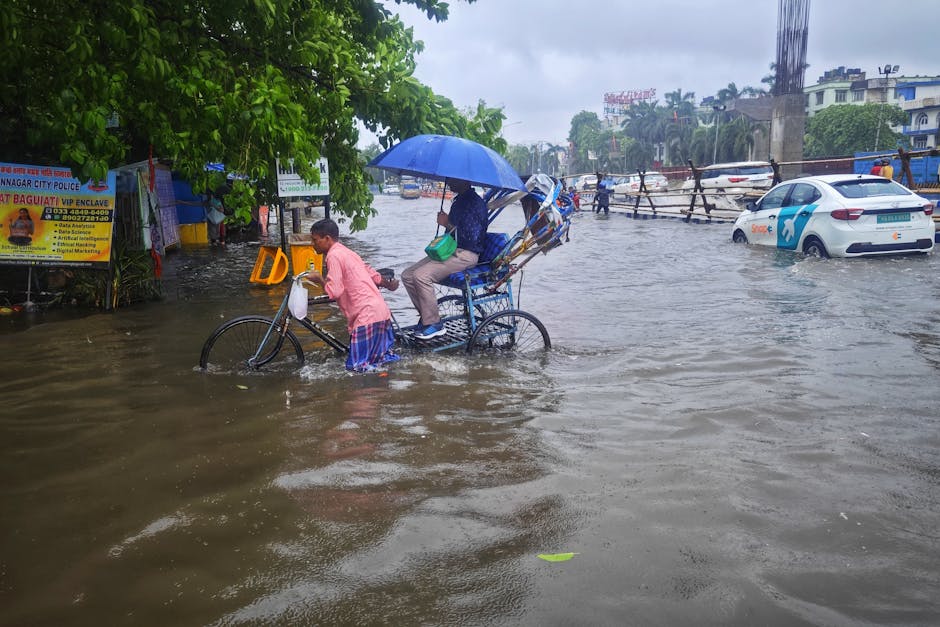
Before I moved to Bangkok, my mental image of monsoon season was poetic: grey skies, gentle rain, people with colorful umbrellas. The reality is a wall of water that appears suddenly, drops two inches in an hour, floods streets to knee depth within minutes, and then disappears into sunshine so bright you'd doubt it ever rained — all of this happening three to five times per day for four months. Bangkok's monsoon season (June through October) doesn't mean it rains all day. It means the sky periodically opens up with a violence that makes American thunderstorms look restrained, and the city's drainage system — already struggling with sinking land and canal congestion — regularly loses the battle. This is not inconvenience weather. This is restructure-your-entire-daily-life weather, and approaching it with the right preparation makes the difference between misery and a deeply atmospheric experience that you'll eventually miss.
When Monsoons Hit: The Regional Calendar
Asia's monsoon patterns vary by region, and understanding the timing is essential for everything from apartment selection to wardrobe planning. Thailand, Cambodia, Laos, and Myanmar: June–October (heaviest August–September). Vietnam has two patterns: the south (HCMC) follows the Thai schedule, while the north (Hanoi) and central coast (Da Nang, Hue) get their heaviest rain September–November. Malaysia has two monsoon seasons: the southwest monsoon (May–September) affecting the west coast and the northeast monsoon (November–March) hitting the east coast. The Philippines' typhoon season runs June–November, with peak activity August–October. Indonesia's wet season is November–March, which is the opposite of mainland Southeast Asia.
Japan has tsuyu (梅雨, "plum rain") from mid-June to mid-July — a distinct rainy season with persistent drizzle rather than tropical downpours. This is followed by typhoon season from August–October, which brings intense but short-lived storms. South Korea gets its monsoon (jangma, 장마) from late June through mid-July, followed by typhoon risk through September. Understanding these patterns helps you time major decisions — don't schedule an apartment move during Bangkok's September peak, don't plan a beach vacation on Vietnam's central coast in October, and expect your Tokyo apartment to smell faintly of mildew from June through July no matter what you do.
Preparing Your Home
Humidity is monsoon season's persistent companion, and it affects everything in your apartment. Mold grows on leather, clothes, books, and walls. Electronics develop condensation problems. Wooden furniture swells and warps. Your preparation checklist should include: a dehumidifier (essential — a quality unit costs ฿3,000–8,000/$84–$224 in Thailand or ¥15,000–30,000/$100–$200 in Japan), silica gel packets in closets and shoe storage, anti-mold spray for bathroom tiles and window frames, and a drying rack because hanging clothes outside is impossible during monsoon months.
If you're choosing an apartment, avoid ground-floor units in flood-prone areas. In Bangkok, this means avoiding Lat Phrao, Chatuchak, and parts of Sukhumvit east of On Nut where flooding is annual and predictable. In HCMC, districts 1 and Binh Thanh flood regularly during heavy rain. Ask the landlord directly: "Does this building flood?" Honest landlords will tell you; others will dodge the question, which is itself an answer. Second-floor apartments and above are the safe choice during monsoon season. If you're already in a ground-floor unit, sandbags and plastic barriers for the doorway are available at hardware stores and should be purchased before the first big rain, not during it.
The Electric Grid Problem
Power outages during monsoon storms are common in parts of Southeast Asia. Bangkok's central areas have relatively reliable power, but outer districts experience occasional outages lasting 30 minutes to several hours. In Vietnam, outages are more frequent, especially in areas with older infrastructure. Invest in a UPS (uninterruptible power supply) for your computer if you work from home — a basic unit costs $80–$150 and provides 15–30 minutes of backup power, enough to save your work and shut down properly. Keep a flashlight, power bank, and battery-powered fan accessible. Candles are atmospheric but create fire risk in combination with the open windows that residents use when air conditioning dies.
Health Risks That Spike During Monsoons
Standing water is a mosquito breeding paradise, and mosquito-borne diseases — dengue fever in particular — spike during and immediately after monsoon season across Southeast Asia. Dengue has no vaccine widely available to adults and no specific treatment; prevention through avoiding mosquito bites is the only strategy. Use DEET-based repellent (20–30% concentration) on exposed skin, keep windows screened, and eliminate any standing water in your home — including plant saucers, unused buckets, and the decorative vase you keep meaning to use. Dengue-carrying Aedes mosquitoes bite during the day, not at night, which makes daytime repellent use critical.
Leptospirosis is a bacterial infection transmitted through contact with flood water contaminated by animal urine. It's a genuine risk when wading through flooded streets in Bangkok, Manila, or HCMC. Symptoms include fever, muscle aches, and jaundice, and severe cases require hospitalization. If you've been in flood water and develop flu-like symptoms within 2–14 days, mention the exposure to your doctor — leptospirosis is treatable with antibiotics but dangerous if undiagnosed. Waterproof boots that prevent flood water from contacting skin are a worthwhile investment during monsoon months.
Fungal infections of the feet and skin increase dramatically with humidity. Keep feet dry (moisture-wicking socks, antifungal powder in shoes), change out of wet clothes immediately, and dry bathroom surfaces after showering. Pharmacies in Thailand and Vietnam sell topical antifungal creams over the counter for ฿30–100/$0.84–$2.80 — keep one in your medicine cabinet from June onward.
Transportation During Monsoons
Flash flooding in Bangkok turns roads into rivers within minutes of heavy rain, and the transformation is dramatic — the intersection you walked across an hour ago is now thigh-deep water with motorbikes pushing through at handlebars-above-water level. BTS and MRT services continue operating during floods because they're elevated and underground respectively, making them the only reliable transportation during heavy rain. Grab prices surge 2–3x during rain events as drivers become scarce, so budget accordingly or wait 30–60 minutes for the surge to subside (storms are usually short).
In HCMC, certain streets become completely impassable during heavy rain. District 1's Nguyen Hue and Le Loi streets, parts of Binh Thanh, and low-lying areas throughout the city regularly flood to depths that stop car traffic. If you commute by motorbike (as many expats in Vietnam do), invest in full-body rain gear — the flimsy poncho-style raincoats sold at convenience stores for VND10,000 ($0.40) protect your upper body while your legs get soaked. A proper raincoat with pants costs VND200,000–500,000 ($8–$20) and makes the difference between arriving at work damp and arriving at work drenched.
The Bright Side of Monsoons
Once you've waterproofed your life and adjusted your expectations, monsoon season has genuine appeal. The temperatures drop 5–8°C from the pre-monsoon peak heat, making outdoor activity tolerable again. Tourist numbers plummet, which means cheaper flights, emptier temples, and restaurants where you can actually get a table. The landscape turns impossibly green — rice paddies fill, rivers swell, and the dry brown edges of the city's parks become lush overnight. And the storms themselves are spectacular — watching a tropical thunderstorm roll across the Bangkok skyline from a rooftop bar, with lightning illuminating the clouds in purple and gold, is one of the great atmospheric experiences available to anyone willing to sit still for 30 minutes with a drink in hand.
The rhythm of monsoon life is different, not worse. You plan around the weather rather than ignoring it. You check the sky before leaving the house. You learn to carry an umbrella the way you carry your phone — automatically, always. And you develop a relationship with rain that goes beyond nuisance to something approaching appreciation, because there's nothing quite like the smell of Bangkok after a monsoon downpour clears the air, leaving the city washed and steaming in the returning sun.