The First Run That Humbled Me
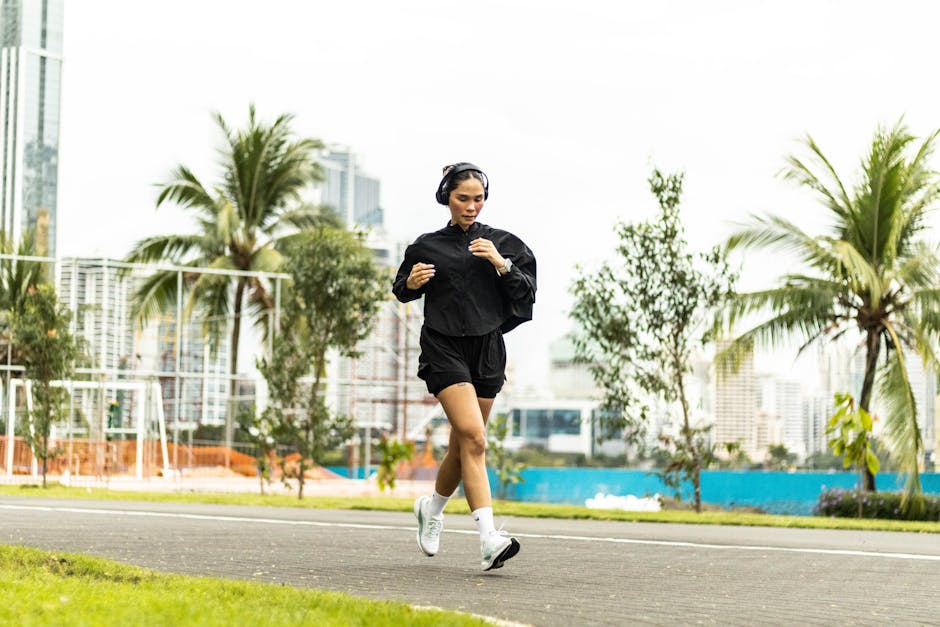
I was a consistent 5K runner in New York — 23 minutes on a good day, four times a week, through Central Park in all seasons. My first run in Bangkok, along the paths of Lumphini Park at what I thought was the reasonable hour of 7 AM, destroyed me in 15 minutes. The heat wasn't the problem, or not the only problem. It was the humidity — 85% at 7 AM in April, which meant the air felt like breathing through a warm, wet cloth. My heart rate spiked to 170 bpm at a pace that would normally produce 140 bpm in New York. By the 15-minute mark, I was walking, dizzy, and wondering if I was experiencing the early stages of heat stroke or just profound cardiovascular humiliation. It was the latter, but the lesson was clear: exercise in tropical Asia requires adaptation, not the blind application of habits developed in temperate climates.
The Adaptation Period
Heat acclimatization takes 10–14 days of progressive exposure. During the first two weeks of exercising in tropical heat, reduce your intensity by 50% and your duration by 30%. Your body needs time to adjust its thermoregulation — increased sweat rate, expanded blood volume, lower resting heart rate in heat. Pushing through this adaptation period with your normal routine risks heat illness and creates negative associations with exercise that undermine long-term fitness. After two weeks, gradually increase intensity over another 2–4 weeks. Full acclimatization to tropical exercise takes about a month, after which you'll be able to perform at 85–90% of your temperate-climate capacity.
Time your outdoor exercise for the coolest parts of the day: before 7 AM or after 6 PM. In Bangkok, Lumphini Park and Benjakiti Park fill with runners from 5:30–6:30 AM; by 8 AM, only the heat-adapted and the foolish remain. In Singapore, East Coast Park and MacRitchie Reservoir are best before 7 AM. In Tokyo, the Imperial Palace running loop (5km) is comfortable year-round except July–August, when the same early-morning rule applies. Always carry water and drink before feeling thirsty — dehydration in humid conditions sneaks up faster than in dry heat.
Gym Culture Across Asia
Air-conditioned gyms become essential rather than optional in tropical climates. The gym landscape varies by city:
Bangkok: Virgin Active and Fitness First dominate the premium segment at ฿2,500–4,000 ($70–$112) per month. Jetts 24 Hour Fitness offers budget-friendly 24/7 access at ฿990–1,290 ($28–$36). Condo building gyms are free but vary wildly in quality — some have decent cardio and weights, others have a treadmill from 2005 and a set of rusted dumbbells. CrossFit boxes (CrossFit BKK, Reebok CrossFit) cost ฿4,000–6,000 ($112–$168) per month.
Tokyo: Anytime Fitness has the widest network at ¥7,000–8,000 ($47–$53) per month. Gold's Gym (¥12,000–15,000/$80–$100) and Tipness (¥8,000–12,000/$53–$80) offer more equipment and classes. Municipal gyms (ku-rit taiikukan) are the budget option at ¥200–500 ($1.30–$3.30) per visit — basic equipment but remarkably clean and functional.
Singapore: ActiveSG gyms (government-operated) are S$2.50 ($1.85) per entry and available island-wide — exceptional value with adequate equipment. Commercial gyms like True Fitness (S$100–200/$74–$148 per month) and Fitness First (S$120–200/$89–$148) offer more amenities. The bouldering gym scene (Boulder+, Boruda, Ground Up) is booming and doubles as social infrastructure.
Martial Arts: The Asian Fitness Advantage
Living in Asia gives you access to martial arts training at the source — an opportunity that fitness enthusiasts at home would pay premium prices for. Muay Thai in Bangkok costs ฿2,000–4,000 ($56–$112) per month at gyms like Fairtex, Sitmonchai, and Evolve. In comparison, the same quality training in New York costs $200–$300 per month. Brazilian Jiu-Jitsu has a growing presence across Asia, with strong communities in Bangkok (Arete BJJ), Tokyo (Tri-Force, Carpe Diem), and Singapore (Evolve MMA). Judo in Tokyo — training at a city dojo costs ¥3,000–5,000 ($20–$33) per month for unlimited classes. Taekwondo in Seoul can be practiced at neighborhood dojangs for ₩80,000–150,000 ($59–$111) per month.
Martial arts training in Asia provides three things gym workouts can't: cultural immersion (training alongside locals in their martial art), community (training partners become friends in a way that treadmill neighbors don't), and a structured progression system that keeps you motivated long-term. If you've ever been curious about martial arts, living in Asia is the time to start.
Swimming: The Underrated Option
Swimming is arguably the ideal exercise for tropical climates — it cools you while you work out, eliminates heat-related performance loss, and provides full-body conditioning. Most condos in Southeast Asia include pools, and while they're typically 20–25 meters (not Olympic-length), they're adequate for daily fitness swimming. Public pools in Japan are clean, cheap (¥400–600/$2.70–$4 per visit), and well-maintained. Singapore's public pools (managed by ActiveSG) cost S$1.50 ($1.11) per entry and are scattered across the island.
For structured swim training, Masters swim clubs exist in most Asian capitals. Tokyo Masters Swimming, Singapore Masters Swimming, and Bangkok's Swim Lab offer coached sessions for adults of all levels, typically 2–3 times per week for $100–$200 per month. The social aspect of group swimming provides the same community benefits as martial arts, with the added advantage of being the one exercise where tropical heat is actually an asset.
The Mental Health Dimension
Exercise in Asia isn't just about physical fitness — it's a critical mental health tool in an environment where expat stress, isolation, and cultural adjustment create psychological pressures that don't exist at home. The endorphin release from exercise counters the low-grade anxiety that many expats experience but don't name. The social connections from gym communities, running groups, and martial arts training combat the loneliness that is the most common and least discussed expat challenge. And the discipline of maintaining a fitness routine provides structure and normalcy in a life where everything else is unfamiliar.
The expats who maintain their physical and mental health longest in Asia are the ones who adapted their exercise routine to the environment rather than fighting it. Run earlier, swim more, train indoors during peak heat, and find a physical community that gives you a reason to show up even on the days when the heat, the homesickness, and the strangeness of living abroad make staying in bed feel like the only rational option. Your body doesn't care whether you're in New York or Bangkok. It needs movement either way — you just need to adjust when and how.