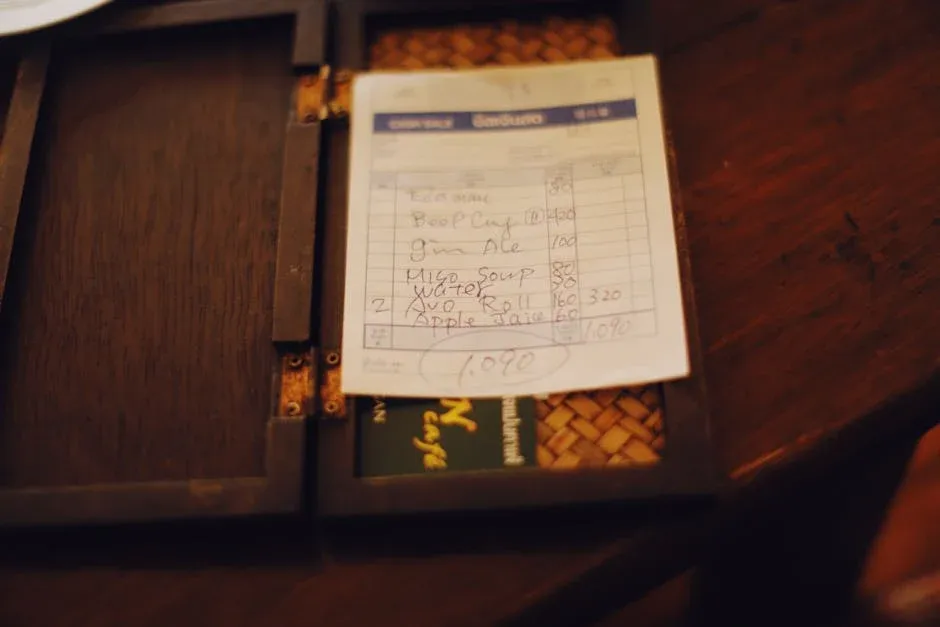
The Confusion Is Universal
I tipped a waiter in Tokyo and watched him chase me down the street to return the money, bowing apologetically as if he'd done something wrong by finding extra cash on the table. I failed to tip a massage therapist in Bangkok and received a look that communicated more disappointment than any words could have. In Korea, I left a 10% tip at a restaurant and was met with confusion — the server wasn't sure if I'd miscounted my change. Tipping in Asia follows no universal rule, and applying your home country's tipping culture will either insult people, confuse them, or fail to compensate workers who depend on gratuities. Here's the country-by-country reality.
Japan: Don't Tip. Seriously.
Tipping is not practiced in Japan and is actively unwelcome in most settings. Japanese service culture is built on the principle that excellent service is the professional standard, not an incentive-driven performance. Leaving extra money on the table at a restaurant will result in the staff assuming you forgot your change and returning it to you. At ryokan (traditional inns), a formal gift (kokorozuke) placed in a decorative envelope and presented to the head of staff at check-in is an acceptable (but not expected) gesture of appreciation — ¥3,000–¥5,000 ($20–$33) is appropriate. This is the exception, not the rule, and it applies only to high-end traditional hospitality.
In taxis, at hair salons, in hotels, at bars — no tipping. The price is the price, and the service is the service. This isn't because Japanese service workers are well-paid (many are not); it's because the tipping dynamic — where payment quality influences service quality — is considered degrading to both parties. The service is professional because it's professional, not because a tip is expected.
South Korea: Not Expected, Not Refused
Korea doesn't have a tipping culture, and service charges (if applicable) are included in the bill at restaurants and hotels. Leaving small change (₩1,000–5,000/$0.74–$3.70) at restaurants frequented by foreigners won't cause offense, but it's unnecessary and not anticipated. Hotel bellhops sometimes receive ₩2,000–5,000 ($1.48–$3.70) per bag, particularly at international chain hotels where Western tipping norms have created an expectation. Taxi drivers don't expect tips; rounding up to the nearest ₩1,000 is fine but not required.
Thailand: Tip Where Appropriate
Thailand has a developing tipping culture influenced by tourism. The guidelines: at sit-down restaurants, 10% is appreciated but not mandatory (check if service charge is already included — many mid-to-high-end restaurants add 10%). At street food stalls and local restaurants, tipping is not expected. For massage and spa services, tip ฿50–100 ($1.40–$2.80) per hour of treatment — these workers often earn low base salaries and tips represent a meaningful income supplement. Taxi and Grab drivers: round up to the nearest ฿20, or add ฿20–50 ($0.56–$1.40) for helpful service. Hotel housekeeping: ฿20–50 ($0.56–$1.40) per night. Tour guides: ฿100–300 ($2.80–$8.40) per person per day.
The Thai word for tip is "tip" (ทิป), borrowed from English and universally understood. Handing it directly to the service provider with a smile and a "khob khun" (thank you) is the correct approach. Leaving it on the table is also fine at restaurants.
Singapore: Service Charge Handles It
Most Singapore restaurants add a 10% service charge to the bill, plus 9% GST. This service charge is the tip — additional tipping on top of it is unnecessary. At hawker centers, tipping is never expected or practiced. Hotel bellhops may receive S$2–5 ($1.48–$3.70) per bag at luxury hotels. Taxi drivers don't expect tips; rounding up is common but amounts to cents rather than dollars. The general rule in Singapore: if there's a service charge, you're covered. If there isn't, a small tip (5–10%) is a nice gesture but not expected.
Vietnam: Small Tips Appreciated
Vietnam's tipping culture is modest but present, particularly in tourist and expat contexts. At restaurants, leave VND20,000–50,000 ($0.80–$2) or 5–10% of the bill. For massage services, VND50,000–100,000 ($2–$4) is standard. Tour guides: VND100,000–200,000 ($4–$8) per day. Taxi drivers: round up to the nearest VND10,000. Hotel housekeeping: VND20,000–30,000 ($0.80–$1.20) per night. In Vietnamese-language restaurants outside tourist zones, tipping is less common but still appreciated — even VND10,000–20,000 ($0.40–$0.80) is received warmly.
China: Evolving
Traditional Chinese culture doesn't include tipping, and in many local restaurants, particularly outside major cities, leaving extra money will cause confusion. In international hotels, upscale restaurants, and tourist-oriented services in Beijing, Shanghai, and Guangzhou, small tips (CNY10–50/$1.40–$7) are increasingly accepted. Tour guides and drivers expect tips — CNY50–100 ($7–$14) per day for guides, CNY30–50 ($4.20–$7) for drivers. Massage and spa services: CNY20–50 ($2.80–$7) per session. The tipping landscape in China is in transition, moving slowly toward Western norms in international-facing contexts while remaining traditional in local ones.
Malaysia, Indonesia, Philippines
Malaysia: Most restaurants include a 10% service charge. Where they don't, 10% is appreciated but optional. Tipping culture is moderate — similar to Thailand in tourist and expat contexts, absent in local settings.
Indonesia: Tourist areas (Bali especially) have developed tipping expectations: IDR10,000–30,000 ($0.64–$1.92) at restaurants, IDR50,000–100,000 ($3.20–$6.40) for spa services, and IDR20,000–50,000 ($1.28–$3.20) per bag for hotel staff. Non-tourist areas expect little or no tipping.
Philippines: 10% service charge is standard at restaurants. Where not included, 10% is customary. Filipinos in service industries (hotel staff, guides, drivers) depend on tips more than in most Asian countries, and tipping ₱20–100 ($0.35–$1.75) for small services is both expected and appreciated.
The Universal Rule
When uncertain, observe what locals do. If the restaurant is full of Thai families and none of them are leaving extra money, you don't need to either. If the hotel is full of business travelers leaving bills on nightstands, follow suit. Tipping should be a gesture of appreciation, not an anxious obligation — and in most of Asia, the absence of a tip carries none of the social stigma it does in the United States. You won't be chased down the street by an angry server for forgetting to tip in Bangkok. You might be chased down the street in Tokyo for leaving money they didn't ask for. Both outcomes are informative about the culture you're in.