Beyond the Instagram Workspace
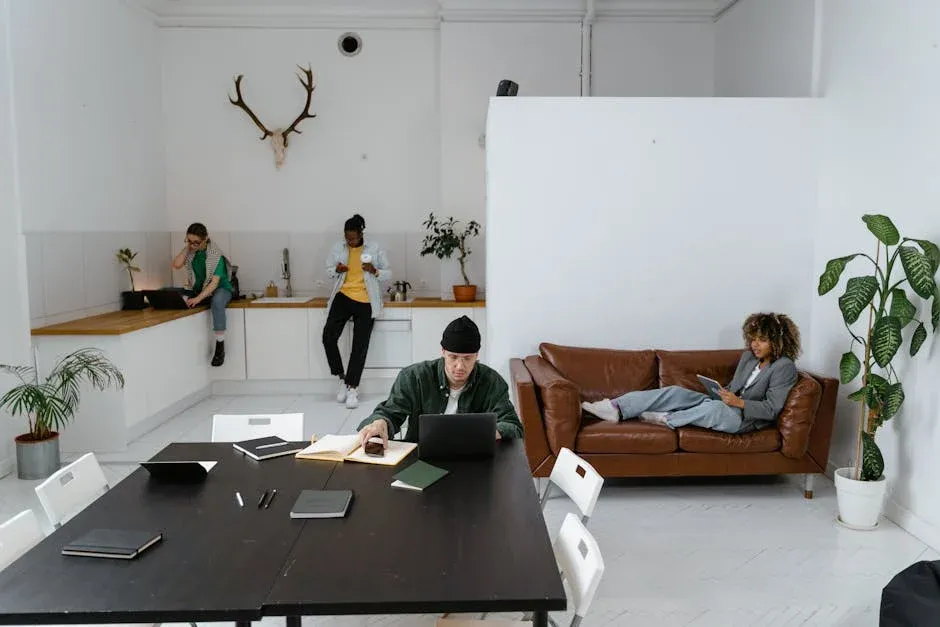
The coworking space in Canggu looked incredible on Instagram: open-air design, tropical plants cascading from bamboo rafters, a pool visible from the hot desks, and golden-hour photos of people on MacBooks who appeared to be having the most productive workday of their lives. When I showed up with a Zoom call scheduled in 30 minutes, I discovered that the "open-air design" meant the WiFi signal competed with tropical wind, the pool area's ambient noise made calls impossible, and the only quiet meeting room was booked for the next four hours. My Zoom call happened in a bathroom stall, which, for the record, had better acoustics than the main floor.
Coworking spaces in Asia serve different segments of the remote work market, and understanding what you actually need — versus what looks good in photos — prevents expensive mistakes. Some spaces optimize for community and networking. Others optimize for reliable infrastructure. A few manage both. Here's what's actually worth your money in each major city.
Bangkok
The Hive (multiple locations): The most established coworking brand in Bangkok with spaces in Thonglor, Prakanong, and Sathorn. Hot desks: ฿5,500–6,500 ($154–$182) per month. Dedicated desks: ฿8,500–12,000 ($238–$336). Private offices available. Internet: 100–200 Mbps, reliable. Meeting rooms: bookable by the hour. The Thonglor location has the best social scene; Sathorn is quieter and more corporate. Both have solid infrastructure.
Hubba (Ekkamai): Bangkok's original coworking space, favored by Thai startups and freelancers. Hot desk: ฿4,500 ($126) per month. Day pass: ฿350 ($9.80). The community is more Thai than other spaces, which is an advantage if you want to break out of the expat bubble. Internet: 100 Mbps, consistent. The space is showing its age physically but the community and pricing are strong.
True Digital Park (Punnawithi): A massive tech campus with coworking by JustCo and AIS. Hot desks from ฿3,900 ($109) per month. The space is corporate and large-scale, with excellent internet (300+ Mbps) and professional meeting rooms. Less social than Hubba or The Hive but better infrastructure. Near the BTS, which matters more than aesthetics when you're commuting.
Tokyo
WeWork (multiple locations): Hot desk from ¥39,000 ($260) per month. WeWork's Tokyo spaces are consistently well-maintained with excellent internet (200+ Mbps) and the brand's standard meeting room setup. The Shibuya and Roppongi locations attract an international crowd; Marunouchi and Nihonbashi are more Japanese corporate. The premium price is justified by infrastructure reliability and the network access to WeWork globally.
Fabbit (multiple locations): Japanese coworking chain with hot desks from ¥15,000 ($100) per month — significantly cheaper than WeWork. Spaces are smaller and quieter. Internet: 100–200 Mbps. The atmosphere is more focused work than social networking. Good for people who want to sit down, work, and go home without mandatory community events.
Seoul
FastFive (multiple locations): Korea's largest coworking chain. Hot desks from ₩200,000 ($148) per month. Dedicated desks from ₩350,000 ($259). Internet: 500 Mbps–1 Gbps (because Korea). Meeting rooms with video conferencing equipment. The Gangnam and Yeouido locations are the most popular with international users. The spaces are modern, clean, and efficiently Korean — no wasted space, everything works.
WeWork Seoul: Hot desks from ₩350,000 ($259). Multiple locations across Gangnam, Jongno, and Yeouido. The international community is larger than at Korean-only spaces, which matters if your Korean isn't conversational. All-glass meeting rooms, unlimited coffee that's actually good, and the standard WeWork design language.
Singapore
JustCo (multiple locations): Singapore's homegrown coworking giant. Hot desks from S$350 ($259) per month. The Raffles Place and Marina One locations target the finance crowd; one-north targets tech. Internet: 300+ Mbps. The community events are frequent but not mandatory, and the spaces are consistently professional. JustCo's regional network (they're in Bangkok, Jakarta, and other Asian cities too) allows members to use spaces across countries.
The Great Room (multiple locations): Premium coworking for people who care about design. Hot desks from S$550 ($407). The spaces are genuinely beautiful — think boutique hotel meets workspace. If client-facing work or video backgrounds matter to your professional image, The Great Room justifies its premium. Internet and meeting room infrastructure are excellent.
Bali
Outpost (Canggu): The most reliable coworking in Bali for people who need to actually work. Hot desks: $150–$200 per month. Dedicated internet line (not shared with the cafe next door), proper meeting rooms with soundproofing, and backup generators for power outages. The community is heavily remote-worker focused rather than tourist-on-vacation. This is where people with real deadlines work.
Dojo (Canggu): The social coworking. Day passes $10, monthly from $130. The pool is the draw, and the community events are constant. Internet is 50–100 Mbps — adequate but not bulletproof. Better for freelancers with flexible schedules than for people with video calls at fixed times. The evening atmosphere slides from workspace to social club, which is either perfect or annoying depending on your personality.
How to Evaluate Any Coworking Space
Before committing to a monthly membership, visit during a normal working day (Tuesday or Wednesday, 10 AM–2 PM) and check: actual internet speed (run a speed test on your phone, not the space's demo computer), noise level during peak hours, availability of meeting rooms (ask how far in advance you need to book), power outlet density (one outlet per four people means you're fighting for charging), and air conditioning quality (some spaces save money by running AC minimally, which is miserable in tropical climates). Ask current members how often the internet drops — the space's speed test might show 200 Mbps, but if it goes down for 30 minutes every afternoon, that number is meaningless.
Day passes are the smartest first purchase at any coworking space. Spend $10–$20 to test the environment for a full workday before committing to a monthly rate. Most spaces offer trial days specifically because they know that the coworking experience is impossible to evaluate from a tour alone. Use this trial to test your specific needs: make a video call, upload a large file, try to find a quiet corner for focused work, and eat lunch at or near the space. If all four work, sign up. If any fail, keep looking.