The Warmth Isn't Performative
On my third day in Manila, my apartment building's security guard invited me to his daughter's first birthday party. Not out of obligation or formality — he'd noticed I was new, alone, and eating convenience store food for dinner. The party was on the building's rooftop, with a karaoke machine, a roast pig (lechon) that cost more than his monthly salary, and approximately 40 relatives who treated me like a long-lost cousin within minutes of my arrival. By the end of the evening, I had three new phone contacts, an invitation to a Sunday basketball game, and a tupperware of leftover adobo that someone's grandmother insisted I take home because "you're too thin." This level of social warmth, from a near-stranger, on day three, is not typical of Asian expat experiences. It is typical of the Philippines.
The Philippines occupies a unique position in the Asian expat landscape. It's not the cheapest (Vietnam wins that), not the most efficient (Singapore), not the most culturally rich by traditional tourist metrics (Japan, Korea). But it is, by a wide margin, the easiest country in Asia for a foreigner to feel genuinely welcomed, integrated, and emotionally at home. Understanding why — and understanding the complexities beneath the warmth — helps expats build authentic lives here rather than superficial ones.
English: The Invisible Advantage
The Philippines is the third-largest English-speaking country in the world by population, after the United States and India. English is an official language alongside Filipino (Tagalog-based), and it's used in government, business, education, media, and daily conversation. This isn't tourist-level English — Filipinos debate politics in English, write professional emails in English, and consume English-language media natively. For expats, this means that the language barrier that defines the first year of life in Japan, Korea, Thailand, or Vietnam simply doesn't exist here. You can have a deep, nuanced conversation with your neighbor, understand your lease agreement without a translator, argue with your landlord about the broken air conditioning, and make friends at a bar through genuine conversation rather than gestures and translation apps.
This fluency transforms every aspect of expat life. Healthcare appointments happen in English. Bank account openings happen in English. The plumber who fixes your sink explains the problem in English. The emotional cost of constant translation — the fatigue, the miscommunication, the isolation that comes from not understanding what people around you are saying — is absent in the Philippines, and the difference in quality of daily life is enormous.
Bayanihan: The Culture of Mutual Help
Bayanihan is the Filipino concept of communal unity, traditionally embodied by the practice of neighbors literally carrying a family's house to a new location. While nobody's physically moving houses anymore, the principle pervades daily life. Your colleagues will help you move apartments on their day off. Your neighbor will cook you food when you're sick without being asked. The sari-sari store owner will extend credit when you're short on cash because she knows you're good for it next week. These aren't exceptional acts of kindness — they're the baseline of Filipino social behavior, the cultural default that operates automatically.
For expats, bayanihan means that your support network builds itself faster than in any other Asian country. The challenge is reciprocity: Filipino culture expects that generosity flows both ways. If your neighbor helps you, you're expected to help when they need something. If you're invited to a celebration, you're expected to contribute — food, drink, or a small gift. The generosity isn't transactional, but it is mutual. Expats who receive Filipino warmth without returning it develop reputations as freeloaders, which is the fastest way to lose the social goodwill that makes the Philippines special.
The Challenges Nobody Mentions at First
Filipino culture isn't all lechon and karaoke. Several aspects challenge expats who stay beyond the honeymoon phase. Filipino time (the cultural tendency toward flexible punctuality) frustrates anyone accustomed to schedules starting when they say they start. Meetings that begin 30–60 minutes late are standard, and social events have even looser timelines. This isn't disrespect — it's a cultural orientation toward relationships over clocks that values arriving when you're ready over arriving when the invitation says.
Infrastructure limitations are real and persistent. Traffic in Metro Manila is among the worst in Asia — a 10-kilometer commute can take 1–2 hours during peak hours. Power outages happen, especially outside Metro Manila. Internet speeds lag behind most of Southeast Asia (average 30–50 Mbps for broadband, though fiber in newer condos reaches 100–200 Mbps). Flooding during the wet season (June–November) disrupts daily life in low-lying areas. These are not minor inconveniences; they're structural features that expats must build their routines around.
The bureaucratic system can be frustrating. Government offices operate on schedules that seem designed to prevent efficient processing, and procedures that should be simple often require multiple visits, intermediary fixers, and patience that tests even the most easy-going personality. The phrase "follow up" becomes a constant companion — checking back repeatedly is the only way to move files through a system that prioritizes in-person relationships over procedural efficiency.
Cost of Living: The Value Proposition
Manila and Cebu offer a cost of living that's significantly below Bangkok or KL but comparable to HCMC. A modern one-bedroom condo in Makati or BGC (Bonifacio Global City) costs ₱20,000–40,000 ($350–$700) per month. In Cebu, equivalent housing runs ₱12,000–25,000 ($210–$440). Eating at local restaurants costs ₱150–300 ($2.60–$5.25) per meal; Western food at restaurants in BGC runs ₱500–1,000 ($8.75–$17.50). A comfortable monthly budget for a single expat in Manila: $1,200–$2,000. In Cebu or Davao: $800–$1,500.
Healthcare is affordable and English-medium. Makati Medical Center, St. Luke's Medical Center, and The Medical City provide excellent care at costs 60–80% below US prices. A specialist consultation costs ₱1,500–3,000 ($26–$53). Health insurance through local providers like Maxicare or Intellicare costs ₱30,000–80,000 ($525–$1,400) annually for comprehensive coverage.
Where to Live
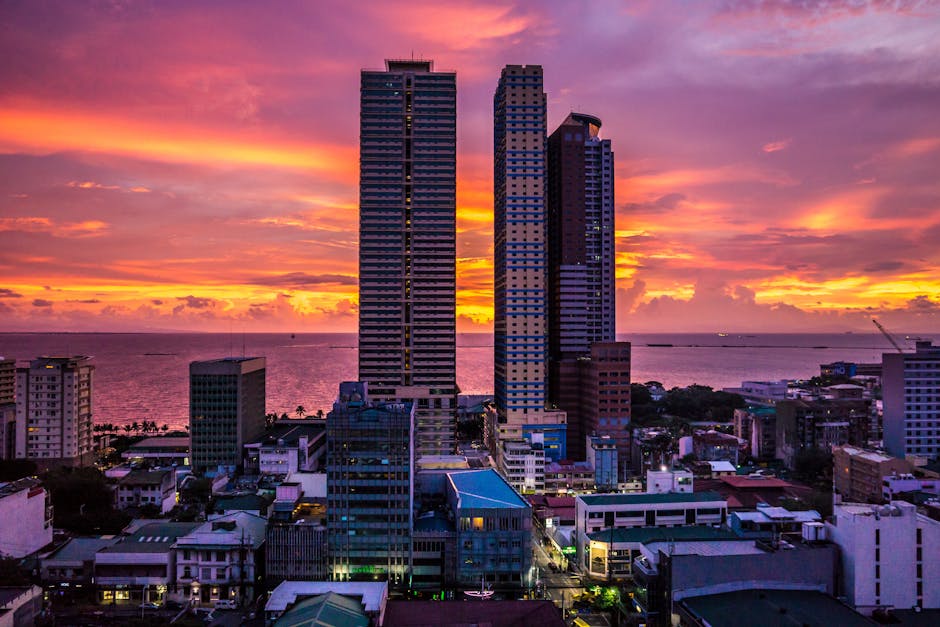
Makati CBD: The business district with the highest concentration of expats. Modern condos, international restaurants, walkable streets (a rarity in Manila). Expensive by Filipino standards but still affordable internationally. The nightlife in Poblacion attracts a mixed Filipino-expat crowd.
BGC (Taguig): The newest, most planned district in Metro Manila. Clean streets, organized grid layout, modern infrastructure. Feels like Singapore transplanted to the Philippines. Popular with families and tech workers. Higher rents than Makati but better infrastructure.
Cebu City: The second city. Cheaper than Manila with a more manageable pace. IT Park is the tech hub with coworking spaces and modern cafes. Beach access to Mactan Island within 30 minutes. Growing expat community but smaller than Manila's.
Dumaguete: A university town on Negros island that's become a popular base for semi-retired expats and remote workers seeking a slower pace. Extremely affordable (₱10,000–20,000/$175–$350 for housing), safe, and small enough that you'll know your neighbors within a month. Limited nightlife and entertainment, which is either the point or the problem depending on what you want.
The Integration Secret
The expats who thrive in the Philippines — and I mean genuinely thrive, not just survive on cheap beer and favorable exchange rates — are the ones who engage with Filipino culture on its own terms. Sing at karaoke even if your voice is terrible (Filipino karaoke is about participation, not performance). Eat with your hands when invited to a kamayan (communal eating) feast. Show genuine interest in your colleagues' families, because in the Philippines, family isn't separate from professional life — it IS life. The warmth of Filipino culture isn't conditional on your nationality, income, or social status, but it is conditional on your willingness to reciprocate it. Show up to the birthday parties, bring something to share, and let yourself be pulled into a community that genuinely wants you there.