Preparation Beats Panic
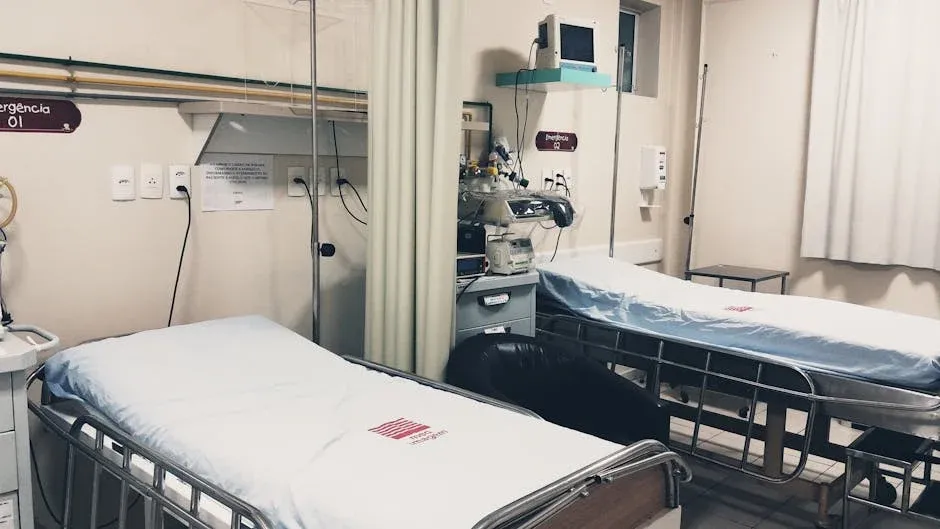
At 3 AM in a small hospital in Osaka, running a 39.5°C fever with what turned out to be a severe kidney infection, I learned the hard way that medical emergencies don't wait until you've mastered the local language. The intake nurse spoke no English. The doctor spoke about 20 words of English, which unfortunately didn't include "kidney" or "infection" or "where exactly does it hurt." My Japanese, adequate for ordering ramen and asking for directions, was completely inadequate for explaining that the pain was in my lower back, radiating to my side, accompanied by burning urination and chills. I ended up drawing anatomical diagrams on a hospital notepad while Google Translate offered increasingly bizarre translations of my symptoms. The experience was frightening, and it was entirely preventable with basic preparation that took me thirty minutes to complete after that night — preparation I now consider as essential as having a passport.
The Emergency Medical Card: Make One Today
Create a card (physical or digital, accessible without unlocking your phone) containing: your full name, nationality, and date of birth. Your blood type. Any allergies (drug allergies especially — write these in both English and the local language). Current medications with dosages. Chronic conditions (diabetes, asthma, heart conditions). Emergency contact with international phone number. Insurance policy number and the insurer's emergency contact line. This information, written in both English and the local language, eliminates the communication crisis that makes medical emergencies exponentially more stressful when you can't speak to your caregivers.
For the local language translation, ask a local friend, your employer's HR department, or use a professional translation service (not Google Translate for medical terms — the stakes are too high for machine translation errors). Many insurance companies provide medical ID cards in multiple languages as part of their service.
Country-Specific Hospital Guides
Japan
Call the AMDA International Medical Information Center (03-6233-9266) before going to a hospital — they provide multilingual medical consultation and can direct you to hospitals with English-speaking staff. In Tokyo: St. Luke's International Hospital, Tokyo Medical and Surgical Clinic, and the International Catholic Hospital all have English-capable staff. In Osaka: Osaka Medical Center and Yodogawa Christian Hospital. Outside major cities, English-speaking medical care is extremely limited — the AMDA hotline becomes critical for phone interpretation during consultations.
Japanese emergency number: 119 (fire and ambulance). Operators may not speak English; say "Kyukyusha kudasai" (ambulance please) and your location. TELL Japan (03-5774-0992) provides 24-hour English-language crisis support for mental health emergencies.
Thailand
Thailand is the easiest country in Asia for English-speaking medical care. Bumrungrad, Bangkok Hospital, Samitivej, and BNH all have dedicated international patient departments with interpreters. Walk-in emergency rooms accept patients without appointments. Outside Bangkok, the nearest Bangkok Hospital branch (they have facilities in Pattaya, Chiang Mai, Phuket, Samui, and Hua Hin) is usually the best option for English-speaking care.
Thai emergency number: 1669 (ambulance). Tourist police: 1155 (English-speaking officers who can assist in medical situations). Bangkok Hospital's emergency line: +66 2 310 3000.
South Korea
Call 1339 — the Korean medical emergency information line with English-speaking operators available 24/7. They can provide hospital recommendations, basic medical advice, and translation assistance. In Seoul, Severance Hospital (Yonsei University Medical Center), Samsung Medical Center, and Asan Medical Center all have international clinics with English-speaking doctors. The International SOS clinic in Itaewon caters specifically to the foreign community.
Vietnam
In HCMC, FV Hospital and Vinmec International Hospital have English-speaking staff. In Hanoi, the Hanoi French Hospital and Vinmec Times City provide English-language care. For emergencies, the SOS International clinic network operates across Vietnam with Western-trained physicians. Vietnamese emergency number: 115, though English capability is unreliable — taxi to the nearest international hospital is often faster and more practical.
Translation Tools That Work in Medical Settings
Google Translate's camera function — point your phone at Japanese, Korean, Thai, or Vietnamese text and get instant translation — is invaluable for reading medicine labels, prescription instructions, and hospital signage. However, medical terminology translation through automated tools remains unreliable for complex descriptions. "Stomach pain" translates acceptably; "sharp intermittent pain in the upper right quadrant radiating to the shoulder blade" does not.
Dedicated medical translation apps exist for Japan specifically: the "Emergency Medical Guide" app by the Fire and Disaster Management Agency provides symptom descriptions in multiple languages with illustrations. For Korea, the "1339 Medical Information Center" app offers symptom translation. For general use across Asia, the "Universal Doctor Speaker" app provides pre-translated medical phrases for common symptoms and conditions in dozens of languages.
Pharmacy First: The Asian Healthcare Shortcut
For non-emergency health issues — cold symptoms, minor infections, digestive problems, skin conditions — pharmacies in most Asian countries can handle first-line treatment without a doctor's visit. Thai, Vietnamese, and Filipino pharmacies operate with minimal prescription restrictions, and pharmacists can diagnose and treat common conditions. Japanese pharmacies (yakkyoku) are more regulated but still dispense many medications that would require prescriptions in the US. Korean pharmacies require prescriptions for most medications but pharmacists can provide over-the-counter alternatives for minor issues.
Point-and-translate works well at pharmacies — show the pharmacist your symptoms on your phone (photos of rashes, translated descriptions of pain) and they'll recommend appropriate medication. Pharmacy staff across Asia are generally patient with language barriers and experienced at helping foreign customers through a combination of gestures, diagrams, and phone translation.
Insurance: Verify Before You Need It
Before you get sick, not after, complete these steps: Save your insurance company's 24/7 emergency number in your phone. Confirm which hospitals in your city are in-network (direct billing saves you from paying upfront and seeking reimbursement later). Understand your deductible for emergency vs. outpatient visits. Download your insurance card as a phone photo accessible from the lock screen. If your insurance requires pre-authorization for hospital admissions, understand the process now — calling your insurer's hotline from a hospital bed at 3 AM while a doctor is waiting for your approval is a stress event that advance preparation eliminates.
The expats who handle medical emergencies in Asia with the least trauma are the ones who prepared for them before they happened. Thirty minutes of preparation — making the medical card, saving emergency numbers, verifying insurance coverage, identifying English-speaking hospitals — converts a potential crisis into a manageable situation. Do it today, while you're healthy and thinking clearly. The version of you who needs this information at 3 AM in a foreign hospital will be grateful.