The Protocol That Saves Lives
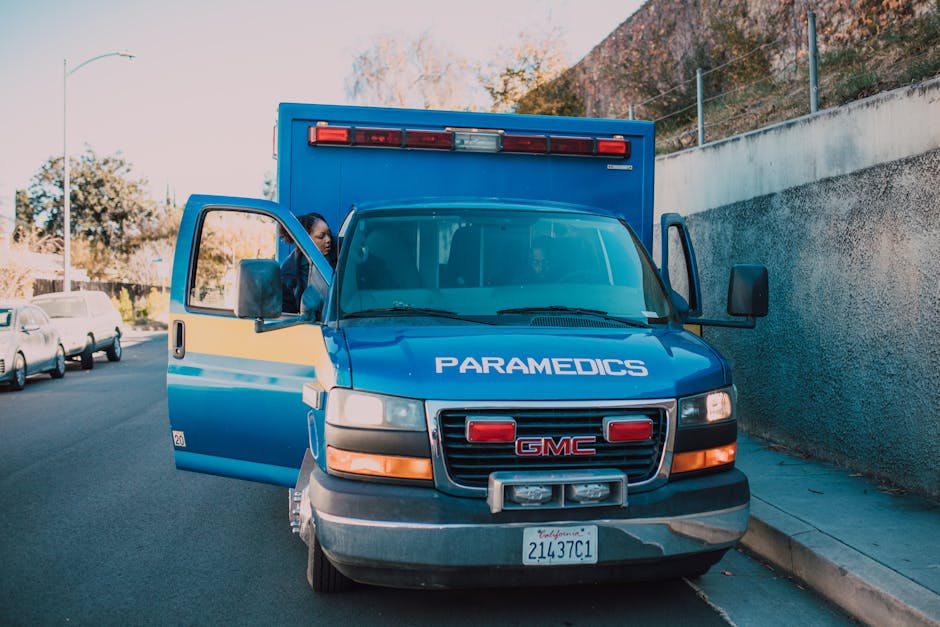
A colleague collapsed during a work dinner in Bangkok — one moment he was reaching for his glass, the next he was on the floor, unconscious, his face grey. In the seven minutes before the ambulance arrived, five people stood around in shock and one person — a former EMT from Australia — took charge. She checked his breathing, put him in recovery position, called 1669, and delegated tasks to the frozen bystanders: "You — call his wife, her number is in his phone. You — meet the ambulance at the street and guide them in. You — get the restaurant to clear tables so the medics can work." She knew the protocol. Nobody else did. He survived — it was a cardiac event, treated successfully at Bangkok Hospital's emergency department. But the difference between organized response and panicked inaction in those seven minutes was the difference between a good outcome and a potentially fatal one.
Every expat should have a medical emergency protocol memorized, because emergencies don't announce themselves, they don't happen at convenient times, and the person having the emergency might be you. Here's the protocol, step by step.
Minutes 0-5: Immediate Response
Step 1: Assess danger. Before approaching anyone who's collapsed or injured, check for ongoing dangers — traffic, electrical hazards, structural instability. Moving into danger to help someone creates two patients instead of one.
Step 2: Call emergency services. Thailand: 1669. Japan: 119. Korea: 119. Singapore: 995. Vietnam: 115. Philippines: 911 (national emergency, or 117 for police). China: 120 (ambulance). When the operator answers, state: your location (street address or nearest landmark), the nature of the emergency (unconscious person, breathing difficulty, severe bleeding, etc.), and the number of people affected. If the operator doesn't speak English, state the location clearly and slowly — dispatchers are trained to prioritize location information regardless of language barriers.
Step 3: Provide first aid if trained. If the person is unconscious but breathing, place them in the recovery position (on their side, head tilted back). If not breathing, begin CPR if trained. Control bleeding with direct pressure using any available cloth. Do not move someone with a suspected spinal injury (from falls or vehicle accidents) unless they're in immediate danger.
Step 4: Delegate. If others are present, assign specific tasks: someone to meet the ambulance, someone to call the patient's emergency contact, someone to gather the patient's belongings (phone, wallet, passport — these will be needed at the hospital).
Minutes 5-30: Getting to the Hospital
In many Asian cities, a taxi to the nearest hospital is faster than waiting for an ambulance, particularly in cities with heavy traffic (Bangkok, Manila, Jakarta, HCMC). If the patient is conscious and the condition isn't immediately life-threatening (broken bone, severe cut, allergic reaction with manageable symptoms), a taxi or Grab to the nearest hospital with an emergency department may be the better choice. If the condition is life-threatening (chest pain, difficulty breathing, severe head injury, loss of consciousness), wait for the ambulance — paramedics provide treatment en route that a taxi cannot.
Hospital selection matters. Go to the nearest hospital with an emergency department, not the "best" hospital that's 45 minutes away in traffic. Stabilization at a nearby hospital followed by transfer to a preferred hospital later is standard medical practice and produces better outcomes than a long transport to a theoretically superior facility.
Minutes 30-60: At the Hospital
Step 5: Provide information. At the emergency department reception, provide: patient's name, age, nationality, allergies, current medications, what happened (as much detail as possible), and insurance information if available. If you're accompanying someone else, you may not know all this — provide what you can and let the medical team work with available information. Hospitals in Asia treat first and sort paperwork second; no one will be denied emergency care because of missing insurance information.
Step 6: Contact the insurance company. Call your insurer's emergency assistance line (this number should be saved in your phone and in the patient's wallet). Most international insurers have 24/7 lines with multilingual operators who can: confirm coverage, authorize treatment, arrange direct billing with the hospital (so you don't pay upfront), and provide translation assistance. Cigna Global: +44 1475 788 182. Allianz Care: +353 1 630 1301. AXA: varies by plan, check your card. Pacific Cross: +66 2 401 9189.
Step 7: Contact embassy if needed. For serious situations — hospitalization, surgery, repatriation — your embassy can assist with: contacting family in your home country, providing lists of English-speaking lawyers if legal issues arise, arranging emergency travel documents, and coordinating medical evacuation if needed. Embassy phone numbers should be saved in your phone (consular emergency lines operate 24/7 for most major countries).
After the Emergency: The Paperwork
Document everything: hospital name and address, treating doctor's name, diagnosis (ask for it in writing in English), all treatments administered, all medications prescribed, all costs incurred (receipts for every payment). This documentation is essential for insurance claims and for any future medical provider who needs to understand your treatment history. Photograph all documents with your phone as a backup.
If the emergency involved someone else and you were the responder: write down what happened while it's fresh — timeline, symptoms observed, actions taken. This information helps medical professionals understand the pre-hospital course of events, which influences treatment decisions. It also provides a record if any legal or insurance questions arise later.
Medical Evacuation: When Leaving the Country Is the Treatment
Medical evacuation — airlifting a patient from an Asian country to their home country or to a regional medical center (usually Singapore or Bangkok) — is the nuclear option in expatriate healthcare. Evacuations cost $50,000–$300,000+ depending on distance and required medical support. Most international health insurance plans include medical evacuation coverage; verify that yours does and understand the triggering criteria (typically: the necessary treatment isn't available locally, and delay in treatment would cause permanent harm).
The decision to evacuate is made by the insurance company's medical team in consultation with the treating hospital. You don't get to demand evacuation because you don't trust the local hospital — the insurer must agree that the medical situation warrants it. For situations where you want more control, companies like International SOS, Global Rescue, and Medjet provide standalone evacuation memberships ($300–$500 per year) that offer evacuation to your hospital of choice based on your preference, not just medical necessity.
Prevention: The Best Emergency Protocol
The best emergency is the one that doesn't happen. Annual health checkups at a reputable local hospital catch problems before they become emergencies. Knowing your blood type, allergies, and current medication list — and carrying this information on your person — accelerates emergency treatment. Learning basic first aid (Red Cross courses are available in English in most Asian capitals for $50–$100) gives you the skills to help yourself and others during the critical minutes before professional help arrives. And the phone numbers, insurance details, and hospital locations you save today are the infrastructure that makes a future emergency survivable rather than catastrophic.