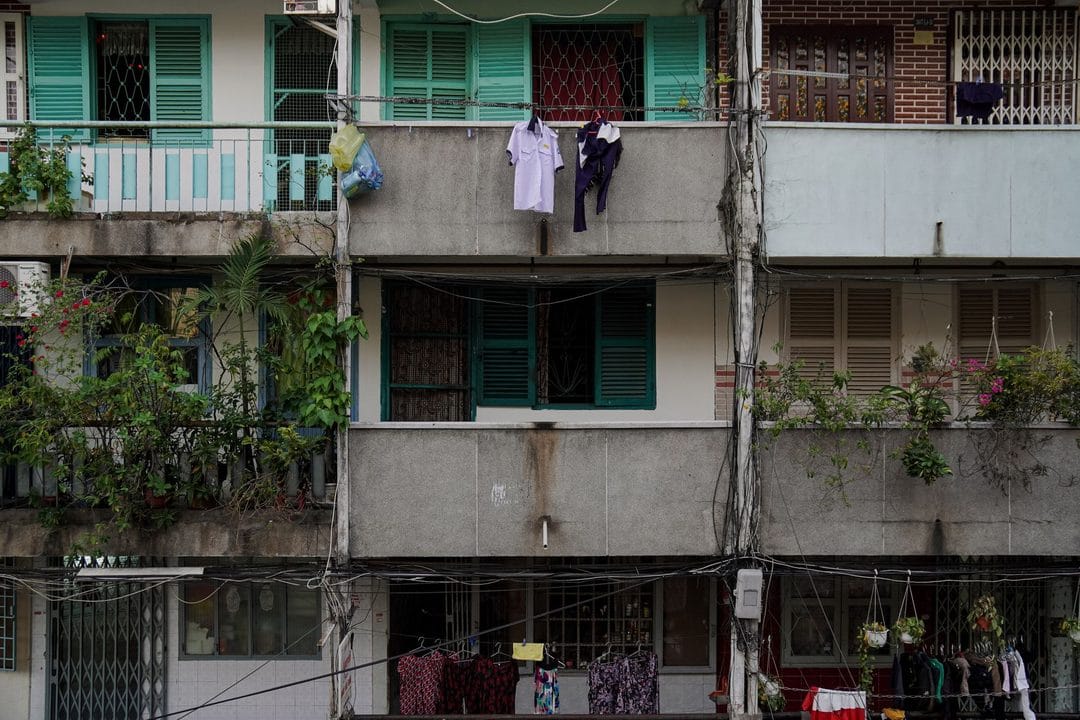
The first apartment I helped a friend find in Chiang Mai took eleven viewings, three ghosted landlords, and one agent who tried to charge a "foreigner fee" on top of the deposit before we found something worth signing for. That's fairly typical. Renting as a foreigner in Southeast Asia is not hard exactly, but it runs on a different set of assumptions than renting back home, and most of the trouble comes from applying rules that don't apply here.
Skip the international listing sites
Sites built for foreigners — the ones with English listings and USD pricing — mark up rent anywhere from 20% to 50% over what a Thai, Vietnamese or Indonesian tenant would pay for the same unit. You're not paying for the apartment; you're paying for the convenience of an English interface and a landlord who already expects a foreign tenant. Use local apps instead: DDproperty and Hipflat in Thailand, Chotot and Batdongsan in Vietnam, Rumah123 in Indonesia. Google Translate's camera function handles the listings fine, and you'll see the real local price, which is the number that actually matters.
Facebook groups are underrated here, and I say that as someone who was skeptical the first time a local friend told me to check one. Groups like "Bangkok Condo for Rent" or "Expats in Ho Chi Minh City Housing" get new listings posted directly by owners who want to skip agent fees entirely — sometimes the same day a tenant moves out, before the unit ever reaches a listing site. You lose the polished photos and the filter tools, but you gain direct contact with someone who can actually negotiate, and negotiate you should.
The deposit-and-fees reality
Expect to pay two months' rent as a security deposit and one month upfront almost everywhere in the region — that's the standard, not the exception, and a landlord asking for three or four months is worth walking away from unless the unit is exceptional. Agent fees, where they apply, typically run one month's rent, paid by the landlord in most markets rather than the tenant, though Vietnam and parts of Indonesia sometimes split this differently. Ask who pays the agent before you view a single unit — it changes the negotiating dynamic entirely, and a good agent will tell you upfront without being asked twice.
Get the deposit-return terms in writing, in a language you can actually read, before you hand over cash. This is the single most common source of expat housing complaints in every forum I've followed over the years, and the pattern is always the same: a landlord invents "cleaning fees" or "damage" at move-out that was never mentioned at move-in. A phone-camera video walkthrough on the day you move in, timestamped and sent to the landlord over Line or WhatsApp, solves most of this before it starts. It feels excessive the first time you do it. It stops feeling excessive the first time it saves you a deposit.
What the lease actually needs to say
- The exact monthly rent in local currency, not USD — currency clauses tied to exchange rate movements are a red flag, full stop
- Who pays for what: water, electricity, internet, building maintenance fees (common in Thai and Malaysian condos, less so in standalone Vietnamese houses)
- Minimum lease term and early-termination penalty — one month's forfeited deposit is standard, anything higher needs a real reason
- Whether the unit is furnished, and a written inventory if it is, because "furnished" can mean a bed frame and nothing else
Most leases in the region run 12 months as standard, though 6-month terms are increasingly available in cities with heavy expat turnover — Bangkok, Kuala Lumpur, Ho Chi Minh City — usually at a 10-15% rent premium for the shorter commitment. Take the shorter lease if you're new to a city and unsure about the neighbourhood. Paying slightly more for six months of flexibility beats being locked into a year in a location you discover you hate by week three.
Visa status and rental contracts
Landlords in Thailand, Vietnam and Cambodia are legally required to report foreign tenants to local immigration within 24 hours of move-in — this is the TM30 process in Thailand specifically — and a landlord who tells you this "isn't necessary" is either unfamiliar with the law or trying to avoid a paper trail for tax reasons. Neither is a good sign. Ask directly whether they've done TM30 registrations for foreign tenants before; an experienced landlord answers this without hesitation.
Some cities require a copy of your passport and current visa for the lease file, which is standard and not a privacy concern — it's what any bank or utility provider will also ask for. What's not standard is a landlord demanding your passport as physical collateral instead of a cash deposit. Never hand over your actual passport as security for anything. A photocopy, yes. The document itself, never — you need it too often for banking, visa runs and basic ID checks to risk it sitting in a landlord's drawer.
Test the building before you test the negotiation
Run a speed test on the unit's WiFi during the viewing itself, not after you've moved in and discovered the building's internet is a shared connection split across forty units. This matters more if you're working remotely, obviously, but even if you're not, slow or unstable internet in Southeast Asia is disproportionately a building-infrastructure problem rather than a provider problem — some older condo buildings in Bangkok and Jakarta still run on fibre installed a decade ago and never upgraded, and no amount of switching ISPs fixes that from inside a single unit.
Check water pressure by actually turning on the shower, not by asking the landlord — "the water pressure is fine" is something every landlord says regardless of whether it's true. Turn on the air conditioning and listen for it: a unit that takes ten minutes to cool a bedroom in tropical humidity is either undersized for the room or hasn't had its coils cleaned in years, and either problem becomes your problem the day you move in during the hot season. Ask about the water tank system too, particularly in older buildings — some rely on rooftop tanks that run dry during peak evening hours, which nobody mentions during a daytime viewing.
One thing worth checking that almost nobody does: ask a current or recent tenant, not the landlord, what the building's management is actually like when something breaks. A leaking pipe fixed within a day versus one that takes three weeks of messages to a slow-moving building office is the difference between a good year and a miserable one, and it's completely invisible from a viewing. Facebook groups for the specific building or condo complex, where they exist, are worth searching before you sign anything.
Negotiating like it's normal, because it is
Asking prices in most Southeast Asian rental markets are opening offers, not fixed numbers — this catches a lot of first-time expats off guard, since rental negotiation isn't really a thing in the UK, US or much of Western Europe. A 10-15% reduction off the listed price is realistic for anything that's been vacant more than a few weeks, and landlords with units sitting empty are often more motivated than they let on in the initial message. Longer lease commitments, paying several months upfront, or simply being a working professional with a stable local job all strengthen your position at the negotiating table.
None of this works over text message, which is where a lot of foreigners get stuck negotiating from behind a screen and losing the human read entirely. Go see the unit in person, meet the landlord if you can, and make the counter-offer face to face or at least over a phone call. Landlords remember tenants who showed up and asked reasonable questions far more favourably than the anonymous chat thread offering 20% under asking.