The Emotional Math vs. the Actual Math
Packing up my life in Chicago for the move to Tokyo, I stood in my living room staring at fifteen years of accumulated possessions and tried to decide what was worth shipping across the Pacific Ocean. My leather couch: $1,200 original price, maybe $400 current value, $800 to ship. My book collection: 300 books weighing roughly 200 kilograms, $600 to ship, and my Tokyo apartment wouldn't have shelf space for a third of them. My kitchen equipment: a KitchenAid mixer, a set of All-Clad pans, and a collection of cast iron that together weighed enough to make shipping prohibitively expensive. The emotional value of these objects was high — the mixer was a wedding gift, the cast iron had been my grandmother's. But the math was merciless, and the math almost always wins when you're calculating shipping costs to Asia.
The fundamental question every relocating expat faces is whether to ship existing belongings, sell everything and buy new at the destination, or do some combination of both. The answer depends on where you're moving, how long you plan to stay, whether your employer covers relocation costs, and your relationship with material possessions. Here's the framework for making that decision rationally.
Shipping Options and Costs
Sea Freight (Container Shipping)
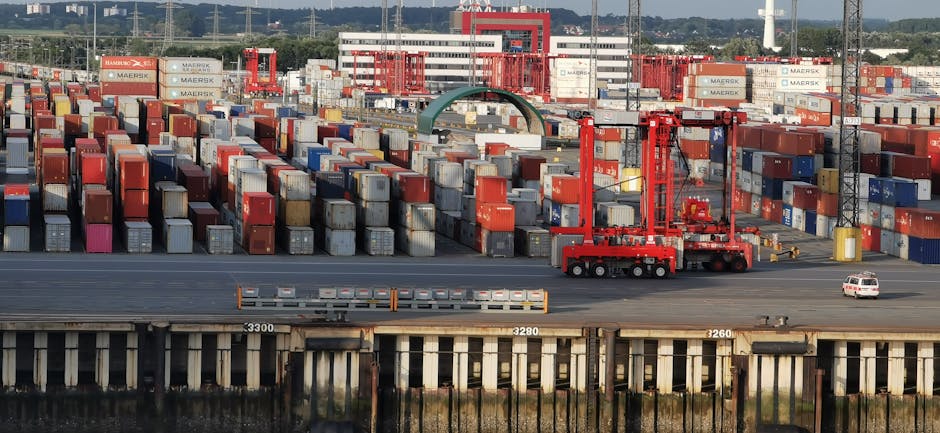
Full container loads (FCL) and less-than-container loads (LCL) are the standard methods for shipping household goods internationally. A 20-foot container (enough for a one-bedroom apartment's furnishings) from the US East Coast to Bangkok costs roughly $3,000–$5,000 for the container, plus $500–$1,500 for customs clearance, destination handling, and delivery. From the US West Coast, prices are slightly lower at $2,500–$4,000. Transit time is 4–8 weeks depending on routing. A full 40-foot container (suitable for a three-bedroom house) runs $5,000–$9,000.
LCL shipments (where your goods share container space with others) cost $150–$300 per cubic meter, with minimum charges of $300–$500. For small shipments — 5–10 boxes of personal items — LCL costs $500–$1,500 total. Transit time is longer (6–10 weeks) because the container must be consolidated and deconsolidated at both ends.
Companies like Asian Tigers, Crown Relocations, Santa Fe, and Allied all operate major relocation services to Asian destinations. Get quotes from at least three companies, and ask specifically about: door-to-door pricing (not just port-to-port), customs clearance fees, insurance costs, and whether the quote includes packing services or assumes you'll pack yourself. The cheapest quote often excludes line items that the mid-range quotes include, making the actual cost higher once you add everything up.
Air Freight
Air freight is dramatically faster (3–7 days) and dramatically more expensive ($5–$10 per kilogram). A 100-kilogram shipment — roughly 8–10 medium boxes — costs $500–$1,000 via air freight. For time-sensitive items (work documents, essential electronics, seasonal clothing you need immediately), air freight makes sense. For furniture, kitchen equipment, or bulk items, the cost per kilogram makes it impractical. Some expats send a small air freight shipment of essentials (clothes for 2 weeks, laptop, important documents) and follow with a sea freight shipment for everything else.
Excess Baggage via Airlines
For smaller moves, buying extra checked bags or shipping boxes as excess baggage can be surprisingly cost-effective. Most airlines charge $100–$200 per additional bag (up to 23 kg each) on transpacific routes. Three extra bags at $200 each gives you 69 kg of cargo for $600 — comparable to air freight rates but without the customs paperwork that sometimes applies to commercial shipments. The limitation is volume: suitcases can only hold so much, and oversized or oddly shaped items don't work.
Customs: The Variable Nobody Calculates
Every country has different customs regulations for personal effects, and these can add significant cost and delay. Japan allows duty-free import of personal effects if you've owned them for at least one year and you're establishing residence. The customs process at the port requires your passport, residence card, and a detailed inventory list. Processing takes 2–5 business days after the container arrives. New items (purchased within the past year) are subject to customs duty at rates of 0–15% depending on the category.
Thailand charges no duty on used personal effects imported within the first six months of your work permit or visa issuance, provided you complete a customs declaration. After six months, duty applies. Electronics and appliances may require additional documentation proving they're personal items rather than commercial imports. Some expats report smooth customs experiences; others describe weeks of delays and multiple trips to the customs warehouse. Using a relocation company that handles customs clearance (included in their fee) eliminates the uncertainty.
Singapore has minimal customs duties on most personal items (GST of 9% applies to goods valued over S$400), and the process is relatively streamlined. South Korea requires a detailed inventory and charges duty on items that appear commercial; electronics and appliances receive particular scrutiny. In all cases, having a professional customs broker (usually provided by your relocation company) is worth the fee.
The "Just Buy New" Calculation
For many expats, especially those moving to countries with affordable furnishings, the most cost-effective approach is selling everything, moving with suitcases, and buying new at the destination. The math works like this: if your furniture has a resale value of $2,000, shipping costs $4,000, and replacing everything in Asia costs $3,000, you save $3,000 by selling, moving light, and buying locally.
Asia has excellent affordable furniture options. In Japan, Nitori (the Japanese IKEA equivalent) furnishes an apartment for ¥100,000–¥300,000 ($670–$2,000). In Thailand, HomePro and Index Living Mall offer similar value, and Bangkok's Chatuchak Weekend Market sells furniture at wholesale-adjacent prices. In Singapore, IKEA and HipVan cover most needs, and the secondhand market on Carousell is robust — expats leaving the country sell nearly-new furniture at deep discounts. In South Korea, Coupang and Auction deliver furniture within days at prices 30–50% below equivalent Western retailers.
The items worth shipping are those with irreplaceable personal value: family heirlooms, art collections, specialty equipment for hobbies, and anything with sentimental significance that transcends its market value. The $800 to ship your grandmother's cast iron is justified because no amount of shopping in Tokyo replaces the emotional connection. The $800 to ship a Crate & Barrel couch you bought three years ago is not, because an equally comfortable couch exists at Nitori for ¥30,000 ($200).
The Timeline You Need
Start the shipping process 8–12 weeks before your departure date if using sea freight. Get quotes at 12 weeks out. Book at 10 weeks. Pack and ship at 8 weeks. This gives your goods time to arrive at or shortly after your arrival, minimizing the period you're living out of suitcases. For air freight, 2–3 weeks lead time is sufficient. For the excess baggage approach, no advance planning is needed beyond packing.
The first two weeks in a new Asian apartment without your belongings are actually valuable — they force you to discover what you actually need versus what you thought you needed. Most people find that the list is shorter than expected. A bed, basic kitchen equipment, and a desk are the essentials. Everything else accumulates naturally as you settle into your new life, and the things you buy locally will fit the local lifestyle better than the things you shipped from home. The couch that was perfect for movie nights in your Chicago living room may not fit through the door of your Tokyo apartment — literally. Measure twice, ship once, and be willing to let go of the rest.