The First Cold Snap
Nobody told me that Korean cold is different from American cold. I'd survived winters in Chicago, which regularly hits -10°C with lake-effect wind that makes outdoor existence miserable. But Seoul's winter — which runs from late November through early March, with the coldest period in January — combines dry Siberian air masses with wind that channels through the city's mountain-ringed valley layout, creating a cold that penetrates layers in ways I didn't think were physically possible. My first December morning commute at -12°C, wearing what I thought was adequate winter clothing (a parka, jeans, boots), left me genuinely questioning whether I'd made a life-altering mistake by moving here. My thighs were numb within five minutes. My phone screen stopped responding because the cold drained the battery. My eyelashes had frost on them by the time I reached the subway station, which felt like entering a tropical paradise simply because it was above freezing.
Korean winter is not a reason to avoid Korea. It's a distinctive season with its own culture, food, aesthetics, and rewards. But it requires preparation that goes beyond "bring a warm coat," and the expats who enjoy Korean winter (rather than endure it) are the ones who invest in proper gear, embrace the season's specific pleasures, and learn from Korean winter survival strategies that have been refined over centuries of dealing with this climate.
Layering: The Korean System
Korean layering follows a base-mid-outer system that's more precise than the Western "put on a big jacket" approach. The base layer is a heat-tech undershirt and thermal leggings (Uniqlo's HEATTECH line is popular and effective; Korean brands like TOP TEN and Giordano offer similar products for ₩15,000–25,000/$11–$18.50). The mid layer is a fleece or down vest that traps warmth around the core. The outer layer is a long padded coat — the Korean "long padding" (롱패딩) that extends below the knee and has become both a practical necessity and a fashion statement. North Face, Discovery Expedition, and the Korean brand Black Yak dominate the market; a good long padding coat costs ₩200,000–500,000 ($148–$370) and is worth every won.
Below the waist is where most expats fail. Jeans are inadequate in Korean winter — denim doesn't insulate, and wind passes through it easily. Thermal leggings under pants are the minimum. Many Koreans wear fleece-lined pants (기모바지) that look like normal trousers but have a fuzzy insulating interior. These cost ₩20,000–40,000 ($15–$30) at shops in Dongdaemun or online through Coupang and are the single most underappreciated piece of winter clothing for expats. For feet: insulated boots (not fashion boots — actual insulated winter boots) and wool socks. For hands: touchscreen-compatible gloves that let you use your phone without removing them. For face and ears: a balaclava or at minimum a neck gaiter and ear warmers.
Ondol: The Korean Heated Floor
Korean apartments use ondol (온돌) — radiant floor heating that turns your entire floor into a warm surface. The system circulates hot water through pipes under the floor, controlled by a boiler panel that's usually mounted in the kitchen. Setting it correctly is an art: floor heating set to 25–28°C provides comfortable ambient warmth; above 30°C, the floor becomes uncomfortably hot for bare feet and your heating bill approaches ₩200,000 ($148) per month. Many Koreans use a timer to heat the floor during evening and morning hours, then let residual warmth carry through the day.
Ondol changes your relationship with home spaces. You'll find yourself sitting, lying, and sleeping on the floor naturally, because the floor is the warmest part of the room. Floor desks (좌식 책상) and floor cushions replace chairs and couches in many Korean homes during winter, and the practice of eating meals on the heated floor — which seemed foreign when I arrived — became my preferred dining arrangement by February. The warmth radiates upward from the floor, creating a cozy microclimate at ground level that makes Korean winter apartments surprisingly comfortable despite single-pane windows that would horrify a Scandinavian energy consultant.
Winter Food: The Best Season for Korean Cuisine
Korean food is heavily seasonal, and winter brings out the cuisine's most comforting and hearty dishes. Kimchi jjigae (김치찌개, kimchi stew) is a bubbling pot of fermented kimchi, pork, tofu, and vegetables that arrives at your table still boiling. Budae jjigae (부대찌개, army base stew) combines ramyeon noodles, spam, sausages, cheese, and kimchi in a spicy broth that's a perfect antidote to a cold commute. Tteokguk (떡국, rice cake soup) is the traditional New Year's dish — clear beef broth with sliced rice cakes and egg — that's available at restaurants throughout winter.
The winter street food scene transforms. Hotteok (sweet filled pancakes) vendors appear on every corner. Bungeoppang (붕어빵, fish-shaped pastries filled with sweet red bean paste) are sold from portable carts for ₩1,000 ($0.74) for three. Hoppang (호빵, steamed buns with red bean or pizza filling) are available at every convenience store. And the eomuk (fish cake skewer) vendors offer cups of hot broth alongside their skewers, which becomes the most welcome free beverage in the world when you're waiting for a bus in -10°C weather.
Winter Activities Worth Braving the Cold
Ski resorts within 1–2 hours of Seoul — Yongpyong, High1, Vivaldi Park, and Bears Town — offer day trips and weekend packages that include equipment rental, lift tickets, and lessons for ₩80,000–150,000 ($59–$111). The skiing isn't the Alps, but it's accessible, affordable, and a legitimate winter sport option that many expats are surprised to find in Korea. Ice skating at outdoor rinks in Seoul Plaza (free rental, ₩1,000 admission) and Olympic Park is a quintessential winter date activity.
Jjimjilbang (찜질방, Korean spa/bathhouse) culture peaks in winter. These facilities offer heated rooms at various temperatures, communal sleeping areas, food courts, and the sikhye (sweet rice drink) and baked eggs that are jjimjilbang staples. Dragon Hill Spa near Yongsan Station and Siloam Sauna near Seoul Station are popular with both Koreans and expats. Admission runs ₩12,000–15,000 ($8.90–$11.10) and grants access for the entire day — many Koreans spend winter Sundays at jjimjilbangs as a social activity rather than just a bathing one. Bring your own towel or rent one for ₩1,000–2,000 ($0.74–$1.48).
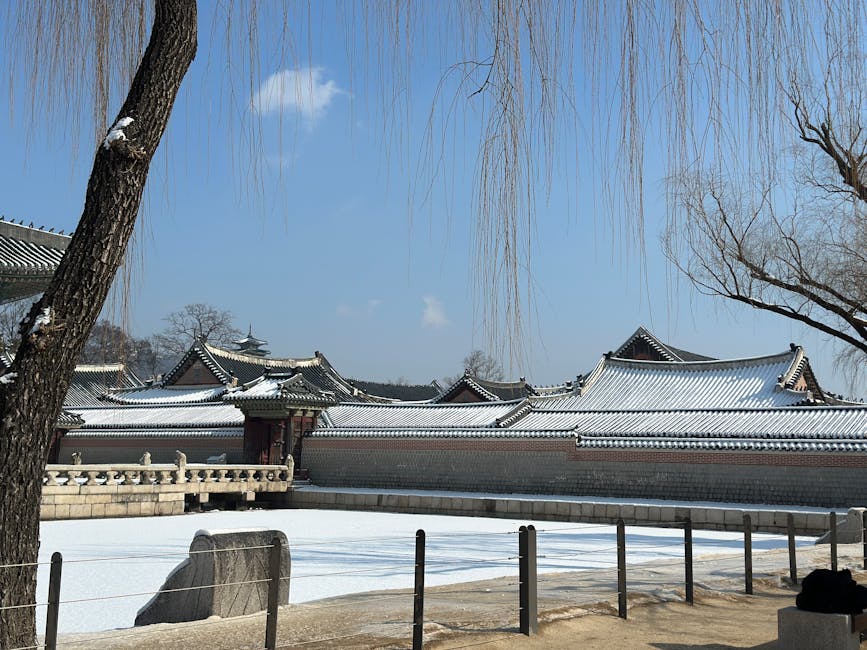
The beauty of Korean winter — and it is genuinely beautiful — reveals itself on clear days when snow covers Bukhansan's peaks and the palaces (Gyeongbokgung, Changdeokgung) look like paintings against the white landscape. Seoul's winter light is sharp and golden in a way that the humid summer months never produce. If you can get past the initial shock of the cold, dress appropriately, and lean into the seasonal culture of warm stews, heated floors, and jjimjilbang afternoons, Korean winter becomes not just tolerable but actively enjoyable — one of the four distinct seasons that makes Korea a richer place to live than perpetually tropical alternatives.