The Wall of Humidity
My first July in Tokyo, I stepped outside at 7 AM to walk to the train station — a seven-minute journey I'd been doing comfortably since March. By the time I arrived, my shirt was soaked through, my glasses were fogged, and I was breathing like I'd jogged instead of walked. The temperature was 32°C (90°F), which sounds manageable until you add the 85% humidity that turns the air into a warm, wet blanket wrapped around your entire body. Japanese summer isn't about temperature — cities in the American Southwest get hotter. It's about the combination of heat and humidity that prevents your sweat from evaporating, which means your body's primary cooling mechanism doesn't work. You're wet, hot, and confused about why 32°C feels worse than 40°C felt in Arizona. The answer is thermodynamics, and it runs from late June through mid-September.
Japan's summer months — roughly July through September, with June's tsuyu (rainy season) as a humid prelude — present a genuine health challenge for people who didn't grow up in subtropical climates. Heat stroke (netchu-sho) sends thousands of people to hospitals every summer, and Japanese media runs daily heat warning segments with the same urgency reserved for typhoon coverage. This isn't alarmism; it's practical risk management in a climate that can genuinely harm unprepared people. Here's how to handle it.
Indoor Survival: Your Apartment and Office
Air conditioning is non-negotiable from late June through September. Japanese apartments typically come with wall-mounted AC units in the main living area and sometimes the bedroom. Run them. Electricity costs will increase by ¥5,000–¥15,000 ($33–$100) per month, depending on your apartment size and usage. Some expats try to minimize AC use for environmental or financial reasons — this is a false economy when measured against heat-related illness, sleep deprivation from hot nights, and mold from unconditioned humidity.
Set your AC to 26–28°C, which is the range Japanese energy guidelines recommend. This feels warmer than the 22°C that Americans default to but is comfortable once you acclimatize, and it keeps electricity costs reasonable. Use the dehumidifier mode (ドライ/dry) during moderately warm days — it reduces humidity without cooling the room as aggressively, which saves energy and often feels more comfortable than straight cooling mode. At night, set the AC on a timer to run for 3–4 hours after you fall asleep; this gets you through the hottest part of the night without running the unit until morning.
The Mold Battle
Summer humidity causes mold growth on bathroom ceilings, closet walls, leather goods, and any poorly ventilated space. Prevention: run your bathroom ventilation fan 24/7 during summer months (the electricity cost is negligible). Use moisture-absorbing packets (除湿剤, available at Daiso for ¥100/$0.67 per pack) in closets, shoe cabinets, and storage areas. Wipe down visible mold with a mix of water and kitchen bleach (カビキラー/Kabi Killer is the standard Japanese product, available at any drug store). Check behind furniture and in closet corners monthly — mold in hidden areas can grow extensively before you notice it and can trigger respiratory issues.
Outdoor Survival: Clothing, Hydration, and Timing
Japanese summer clothing culture is more evolved than you might expect. Uniqlo's AIRism line is engineered for Japanese humidity — the moisture-wicking, quick-drying fabric is genuinely superior to standard cotton for hot weather. A set of AIRism undershirts, underwear, and the DRY-EX active shirts costs ¥5,000–¥8,000 ($33–$53) and transforms your comfort level. Cotton absorbs sweat and stays wet; AIRism wicks it away and dries within minutes. This isn't a fashion recommendation; it's a functional one. Other useful items: a small hand towel (Japanese people carry these everywhere in summer — buy a set of tenugui at any ¥100 store), a portable fan (handheld battery-operated fans are socially normal and widely sold), and a parasol or UV-blocking umbrella if you're walking more than 10 minutes in direct sun.
Hydration in Japanese summer requires more deliberate effort than you're used to. The humidity makes you sweat continuously even when you don't feel like you're exerting yourself, and dehydration symptoms (headache, dizziness, fatigue) creep up without the dramatic thirst cues that dry heat produces. Carry a water bottle and drink before you feel thirsty — by the time you're thirsty, you're already mildly dehydrated. Sports drinks like Pocari Sweat and Aquarius (both available in every vending machine in Japan for ¥130–¥160) replace electrolytes that water alone doesn't. The naming of "Pocari Sweat" is unfortunate in English, but the product is excellent for hydration in humid conditions — the electrolyte balance was specifically formulated for Japanese summers.
Time your outdoor activities for early morning (before 9 AM) or evening (after 5 PM). Midday sun in July and August is genuinely dangerous — the UV index frequently reaches 8–10 (very high to extreme), and ambient temperatures in direct sun can exceed 35°C (95°F) with heat indices above 40°C (104°F). If you must be outside during peak hours, seek shade aggressively, take breaks in air-conditioned spaces (convenience stores are your best friend), and watch for heat exhaustion symptoms: heavy sweating followed by reduced sweating, nausea, rapid pulse, and confusion. If these develop, get to AC immediately, drink cold fluids, and apply cold compresses to your neck and wrists.
The Bright Side: Summer Culture
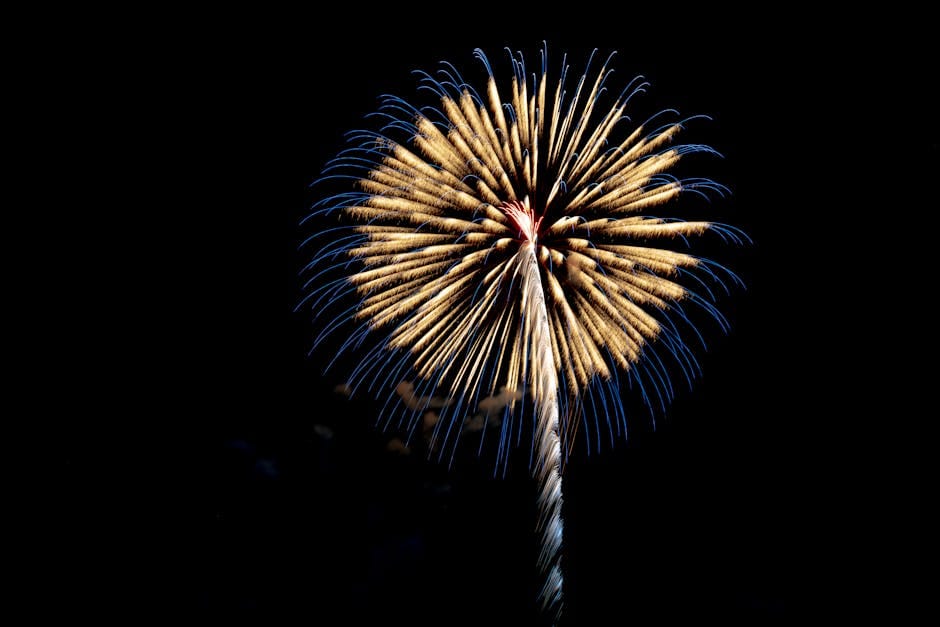
Despite the physical challenges, Japanese summer has a cultural richness that makes the sweating worthwhile. Hanabi (fireworks festivals) happen across the country from July through August — the Sumida River Fireworks in Tokyo (late July) draws over a million spectators, and smaller local festivals (matsuri) in every neighborhood offer street food, traditional dancing, and a community atmosphere that's unique to summer. Wearing a yukata (casual summer kimono) to these events is encouraged and available to everyone — rental services and inexpensive yukatas at department stores run ¥3,000–¥8,000 ($20–$53).
Beer gardens open on department store rooftops from June through September, offering all-you-can-drink plans for ¥3,000–¥5,000 ($20–$33) for 90–120 minutes. Kakigori (shaved ice with syrup and condensed milk) appears at specialty stands and restaurants everywhere — the handmade versions at places like Shimura in Asakusa or Yelo in Roppongi use natural ice that's denser and melts slower than machine-made, creating a texture that's more snow than ice. And the sound of wind chimes (furin) hanging from shop fronts and apartment windows is so associated with Japanese summer that hearing it years later, anywhere in the world, will transport you back instantly.
Japanese summer teaches you to slow down in a culture that usually runs at full speed. The heat forces a pace that the rest of the year doesn't allow — longer lunches in air-conditioned restaurants, evening walks instead of midday errands, and an appreciation for shade, cold drinks, and cool breezes that borders on spiritual. By the time autumn arrives in mid-October, you'll feel a genuine loss alongside the relief. And by next June, when the humidity starts climbing again, you'll find yourself strangely looking forward to it — the fireworks, the ice, the humid evenings that smell like grilled corn and incense from the neighborhood shrine.