The Number You Should Be Checking Daily
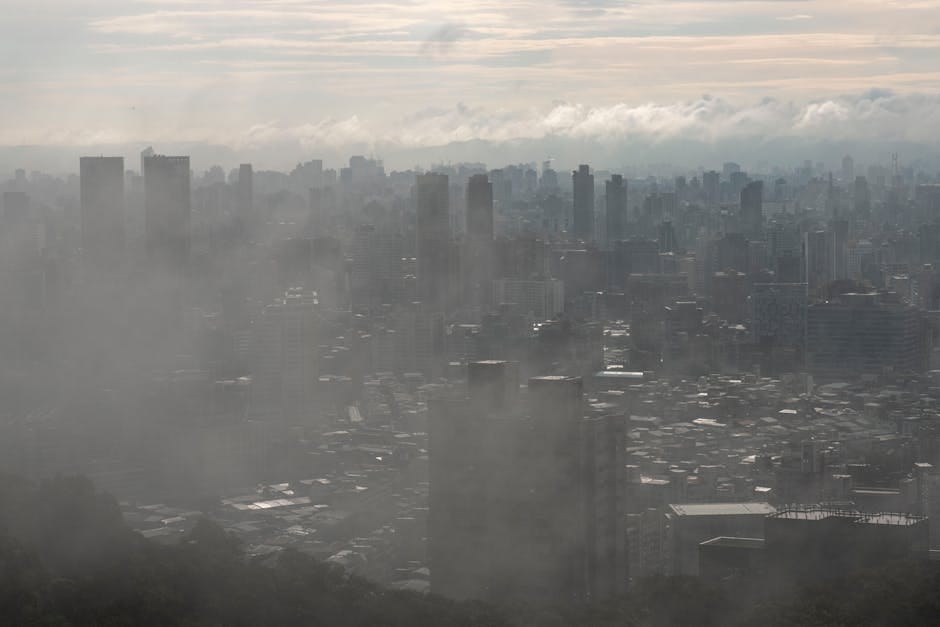
For the first eight months I lived in Bangkok, I checked the weather app every morning — temperature, rain probability, humidity. What I never checked was the Air Quality Index (AQI), a number that measures the concentration of particulate matter, ozone, nitrogen dioxide, and other pollutants in the air you're breathing every minute of every day. When a friend mentioned that Bangkok's AQI had been above 150 (categorized as "unhealthy" by the US EPA) for three consecutive weeks, I downloaded the IQAir app and was genuinely shocked. The day I checked, the AQI near my apartment was 178. For reference: the WHO recommends AQI below 50 for safe long-term exposure. The US EPA considers anything above 100 "unhealthy for sensitive groups" and above 150 "unhealthy for everyone." I'd been running outdoors in air quality equivalent to smoking several cigarettes a day, and nobody around me — not my colleagues, not my neighbors, not a single person in my social circle — had mentioned it as a concern.
Which Cities Have the Worst Air
Asian air quality varies dramatically by city and season. The data below reflects 2024 annual averages from IQAir monitoring stations:
Consistently poor (annual average AQI 80–150+): Delhi and North Indian cities (some of the worst air on earth), Hanoi (especially November–March), Jakarta (dry season June–September), and Chiang Mai (burning season February–April, when AQI regularly exceeds 200–300). Bangkok oscillates between acceptable (May–October, AQI 40–80 during rainy season) and unhealthy (November–February, AQI 100–200 during the cool/dry season when temperature inversions trap pollution).
Moderate (annual average AQI 50–80): Seoul (generally acceptable but with episodic spikes from Chinese dust storms and local emissions), Ho Chi Minh City (better than Hanoi but still frequently above 100), and Kuala Lumpur (periodic haze events from Indonesian forest fires can push AQI above 200 for weeks).
Generally good (annual average AQI below 50): Tokyo (remarkably clean for a mega-city, rarely above 80), Singapore (excellent except during haze season), Taipei (clean, averaging 30–50), and most Japanese cities.
Health Impacts: What the Science Says
Long-term exposure to PM2.5 (fine particulate matter, the most dangerous common pollutant) at levels above WHO guidelines increases the risk of respiratory disease, cardiovascular disease, lung cancer, stroke, and premature death. These aren't marginal increases — the Global Burden of Disease study attributes approximately 4.2 million premature deaths annually to ambient air pollution worldwide. For an expat living in a city with average AQI of 100 (common in Hanoi, Jakarta, and Bangkok during winter), the cumulative health impact over five years is equivalent to smoking approximately 2,000 cigarettes — about a year of light smoking.
Short-term effects are more immediately noticeable: persistent cough, throat irritation, eye discomfort, reduced exercise capacity, headaches, and fatigue. Many expats in polluted Asian cities attribute these symptoms to "adjusting to the climate" or seasonal allergies, when the actual cause is particulate matter small enough to penetrate deep into the lungs and enter the bloodstream. If you've developed a chronic cough since moving to an Asian city that doesn't resolve with standard treatment, air quality exposure should be your first suspect.
Protection: What Actually Works
Indoor Air Purifiers
A HEPA air purifier in your bedroom is the single most impactful investment for air quality protection. You spend 6–8 hours sleeping, and ensuring that air is clean provides a significant recovery period from daytime exposure. Look for purifiers with true HEPA filters (not "HEPA-like" or "HEPA-type," which are marketing terms for inferior filters) that are rated for your room size. Recommended brands: Xiaomi Mi Air Purifier (affordable, effective, widely available in Asia at ¥800–¥1,500 RMB/$110–$207), Blueair (premium, very effective), and Coway (Korean brand, excellent filtration). Replace HEPA filters every 6–12 months depending on pollution levels — the filter turns from white to grey to brown as it accumulates particles, which is both reassuring (it's working) and horrifying (you were breathing that).
Masks
When AQI exceeds 100, wearing an N95 or KN95 mask outdoors provides meaningful protection. Surgical masks filter large particles but allow PM2.5 to pass through — they're better than nothing but significantly less effective than N95s. The mask must seal tightly around your nose and chin; gaps allow unfiltered air in. The 3M 9501+ and Xiaomi Mi N95 masks are widely available across Asia and provide genuine filtration. Carry a mask in your bag year-round and check AQI before extended outdoor activities.
Behavioral Adjustments
On high-AQI days (above 150), reduce outdoor exercise intensity or move workouts indoors. Running in AQI 200 negates the cardiovascular benefits of the exercise through the lung damage from accelerated particulate intake during heavy breathing. Keep windows closed when AQI is above 100 and run your air purifier. If your apartment doesn't have good sealing around windows (common in older Asian apartments), apply weather-stripping tape to reduce infiltration. Monitor AQI at actual monitoring stations near your home, not city-wide averages — pollution varies significantly by neighborhood based on proximity to roads, construction, and industrial areas.
The Decision Air Quality Should Influence
If you're choosing between Asian cities for a long-term base, air quality deserves more weight in your decision than most expats give it. Living in Chiang Mai for its affordability but exposing yourself to AQI 300+ for three months every year has long-term health consequences that the $500/month savings doesn't offset. Tokyo, Taipei, and Singapore offer some of the cleanest urban air in Asia, and the premium you pay to live there includes the invisible benefit of lungs that aren't accumulating industrial particulate matter.
The expats who handle air quality best treat it the way they treat weather: check it daily, adjust behavior accordingly, and invest in protection (purifiers, masks) the same way they invest in rain gear or winter clothing. The air won't change because you prefer to ignore it. Your lungs are keeping score whether you're checking the AQI app or not.